
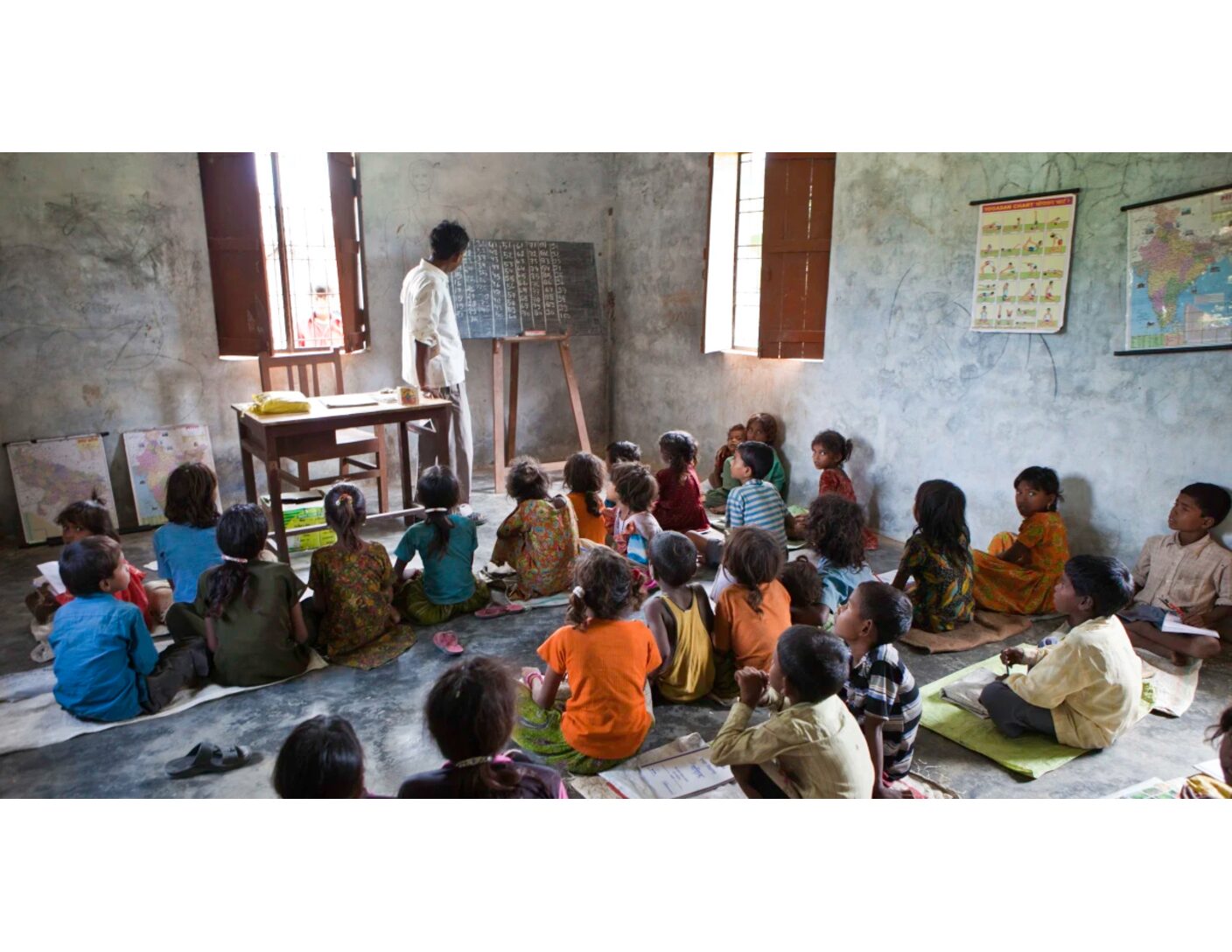
India’s next nationwide census promises to shed light on the current state of the caste system and its impact on the country’s citizens.
India’s caste system has been intertwined with almost every aspect of the country’s identity for thousands of years. Since its inception, it has been used as a way to socially hierarchize the Indian population for socio-economic and political reasons. Back in April, Prime Minister Narendra Modi announced that, for the first time since 1931, when the country was still a British colony, the upcoming census is expected to include information about the caste system.
While the official release date of the census has yet to be announced (it was initially due in 2021 but was delayed due to the COVID-19 pandemic and other logistical problems), the updated caste information is highly anticipated.
Influencing dating life, job opportunities, and education, the caste system has numerous ramifications for citizens throughout the country. Family members are born into a system that dictates where they can live for the rest of their lives, who they can marry, and the types of jobs they can pursue.
What is the Caste System?
A simplified model of the caste system places Brahmins (priests) at the top and Dalits (including cleaners and waste pickers) at the bottom. The middle rungs include Kshatriyas (warriors and rulers), then Vaishyas (farmers and merchants), followed by Shudras (labourers), just above Dalits. While these are the main categories, there are thousands of subcastes present throughout the country that further divide its citizens.
Those in the lower castes are considered “impure” and “unclean” and encounter discrimination in every part of their daily life, while those in the higher castes receive privileges and benefits. The discrepancy between castes is most notable in rural communities, where the castes are segregated and forced to eat and drink at separate locations.
Following India’s reclamation of its independence from Britain in 1947, efforts were made to reduce the prejudice experienced by lower castes. New caste categories were set up for the purpose of affirmative action, while amending the constitution to abolish caste discrimination. These steps aimed to develop a more equal society for individuals from different castes, but the success is yet to be seen.
Despite these efforts, lower castes still experience high rates of malnutrition and illiteracy while social segregation runs rampant, with only 5% of marriages in the country being intercaste. These discrepancies have resulted in rising demand for a caste census in order to provide evidence-backed data that more funding is needed for lower castes.
What is the importance of the caste census?
In its April press release, the government stated that the inclusion of caste data will “ensure that our social fabric does not come under political pressure. This will ensure that society becomes stronger economically and socially.” The data provided by the census will indicate whether the government’s current policies are effective.
Since 1951, only Dalits and Adivasis (referred to as scheduled castes and tribes) have been included in census data, meaning that over a century of results are unknown. The last official Indian census was released in 2011 and found that 305 million of the country’s 1.21 billion population were part of a scheduled caste or tribe.
The timing of the announcement has been called into question, with many wondering why the government has chosen the upcoming census. It is undeniable that the result will have considerable ramifications, as it will shed light on modern inequalities.
Many believe that the reason for the Prime Minister’s decision is due to upcoming state elections and his desire to show his support, as the issue remains highly prevalent. An independent state caste survey in 2023 found that the number of people in marginalized castes far exceeded the estimated number, demonstrating a lack of transparency from the government.
What happens now?
The general reaction to the announcement has been broad. Some proponents of the caste census claim that it is long overdue and may provide evidence for how Indian policies since 1931 may have resulted in shifting caste boundaries. Many, however, feel that it could reveal a larger population of marginalized castes, which results in fewer investments into more privileged castes.
There are still many questions surrounding the upcoming census. Aside from the release date, it is unclear when the data will begin to be collected or how it will be collected.
The decision to include the caste system in the upcoming census will undoubtedly have ramifications for India’s future, although it remains to be seen whether these ramifications will benefit the population or be detrimental to it.
Edited by Zahra Ahmed
This is an article written by a Staff Writer. Catalyst is a student-led platform that fosters engagement with global issues from a learning perspective. The opinions expressed above do not necessarily reflect the views of the publication.
