
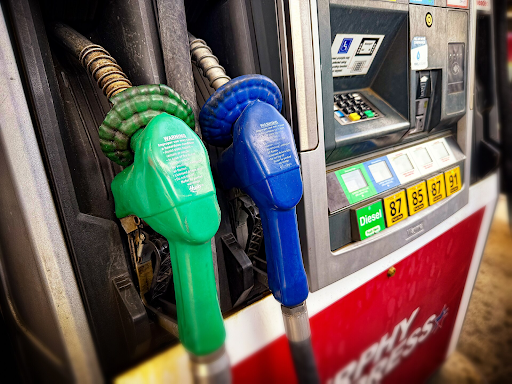
On February 28th, US-Israeli strikes began. Not long after, Iran launched missiles targeting infrastructure across the Gulf, which included Israeli and U.S. military bases. However, the effects of the war have extended far beyond the Gulf region. Before the war, a regular day would consist of more than twenty million barrels of oil going through the Strait of Hormuz. The result has been higher energy prices reminiscent of the oil crisis of the 1970s. Iranian missiles have trapped 15% of the world’s oil supplies, which amounts to roughly double the disruption seen during the 1970s oil crisis. Oil is not the sole resource that has been impacted, though. Around 20% of the global shipments of liquefied natural gas (LNG) have stopped. This has caused the price of fertilizer, which is made through this gas, to surge as well. The International Monetary Fund (IMF) has said to prepare for the “unthinkable.”
Despite the fact that the global energy supply has taken a great hit, the world has not been affected at even rates. The S&P 500 index was down by only 1.5% in March. While many regions are suffering greatly, the U.S. has seen much less disturbance. So why has the U.S. been less affected? Since 2019, the U.S. has been a net energy exporter, which is credited to its increased reliance on fracking. When oil prices rise, those energy exporters benefit. However, even within the U.S, not everyone is a winner. If consumers are forced to spend less on other goods because of diverting their money towards gas as the prices continue to climb, the local economy will struggle. The Federal Reserve Bank may not be able to offset a low demand by decreasing interest rates because inflation was already high before the war began. Essentially, monetary policy is not an option to bail out the U.S. government.
While the U.S. is predicted to see mixed effects, other regions will fare far worse. In particular, Europe is more at risk because of its increased reliance on LNG in recent years. Since the Ukraine War began, it has made an effort to shift away from pipeline gas coming from Russia. Since February, stocks in Europe have been down 5-6%, but even more greatly than in Europe, Asia has been impacted. This is because China, India, South Korea, and Japan get between 40 and 80% of the seaborne crude oil they buy from the Gulf.
Outside of the energy prices, tourism has also been affected in the Middle East. Both the UAE and Qatar rely heavily on tourism to boost their economies. With the drop in visitors, there have been significant economic losses. The war will have impacts globally, stretching beyond just the energy industry. On March 11th, the International Energy Agency committed to releasing 400 million barrels from reserves, but this solution will not hold in the long term. The point of Brent Crude, the world benchmark, is already up to $110 a barrel. Experts are exploring possible scenarios if the conflict continues and what it could mean for the global economy. They are waiting with bated breath for how big players, like the U.S., will react. If the U.S. becomes concerned enough about protecting its oil supply, it could ban the export of crude oil, locking 9% of global seaborne flows within its borders. Both the Pacific and East Coast regions of the nation would suffer, as well as Europe and Asia. Bob McNally, former energy adviser to George W. Bush, said it would destroy the country’s reputation as a stable energy supplier. While this is not a current policy under consideration, the uncertainty of this conflict has forced experts to look at all possible outcomes of the situation. It remains unclear what will transpire, but if this conflict continues, citizens of the world can expect to feel the impact.
Edited by Gita Kerwin
This is an article written by a Staff Writer. Catalyst is a student-led platform that fosters engagement with global issues from a learning perspective. The opinions expressed above do not necessarily reflect the views of the publication.

Kendall Fagan is a third-year student at McGill University currently pursuing a BA Honours in International Development and a minor in Economics.