
From vehicles to medicinal products, the tariffs imposed by President Trump cover a wide range of goods, impacting economies and lifestyles across the world.
Tariffs have historically been implemented as a protectionist means to bolster the local economy and its means of production. By imposing a tariff, a tax is placed on certain goods and services being imported from a foreign country. This could be for various reasons: as a political tool in foreign negotiations to apply pressure on a foreign government, to encourage domestic production of the same goods and services being tariffed, and to raise revenue for the government.
However, they can have harmful consequences. Tariffs can lead to foreign countries imposing reciprocal tariffs, snowballing into a trade war as both countries retaliate. Tariffs can also raise prices for consumers. When a tariff is imposed, the producing country loses a percentage of its profit to the tax, and thus raises the price for the consumer to accommodate for this loss.
In the United States, Donald Trump has promised an increase in tariffs since his first term. Despite implementing a few in 2018, their overall ramifications were not especially significant, aside from within their respective sector. Now, in his second term, he has repeatedly introduced tariffs on various imports, only to later retract or adjust them, signaling a pattern of fluctuating trade policies and leaving their potential impacts up in the air.
These tariffs have already had drastic effects on the economy and consumers, leaving many uncertain about their financial status and broader economic security. As businesses navigate higher costs and disrupted supply chains, consumers face rising costs on everyday goods, leading to forced changes in lifestyle and affordability. For example, coffee sourced from Brazil priced at $8.30, with a 10% tariff, could rise to $9.13, exhibiting a $0.83 increase. A three pound bag of rice from Thailand will have a post-tariff price of $18.35, a $4.86 increase from its original $13.49 price. While seemingly minute, these changes add up for the average consumer budget. Meanwhile, financial markets and investors face heightened volatility due to uncertain trade policies and their potential long-term implications. The tariffs also have significant impacts on the environment and the development of clean energy. Despite an initial possibility of reduced emissions as a result of reduced economic activity and global trade, there could be significant setbacks in the development of clean energy.
The Biden-Harris administration set ambitious goals for the clean energy transition, promising $150 million to energy conservation and clean energy funds across the United States. Through various programs and bills such as the Inflation Reduction Act (IRA), which allows for significant investment in clean technology development, and the Rural Energy for America Program (REAP) and the Empowering Rural America (New ERA), which provided accessible clean energy and support to rural communities, they aimed to make visible change to the United States’ reliance on and investments in fossil fuels. Funding for these programs was frozen by the Trump administration until revised plans were submitted that better aligned with an executive order titled Unleashing American Energy. Unleashing American Energy outlines plans that encourage rapid fossil fuel resource and infrastructure development, almost directly opposing the goals of IRA funds.
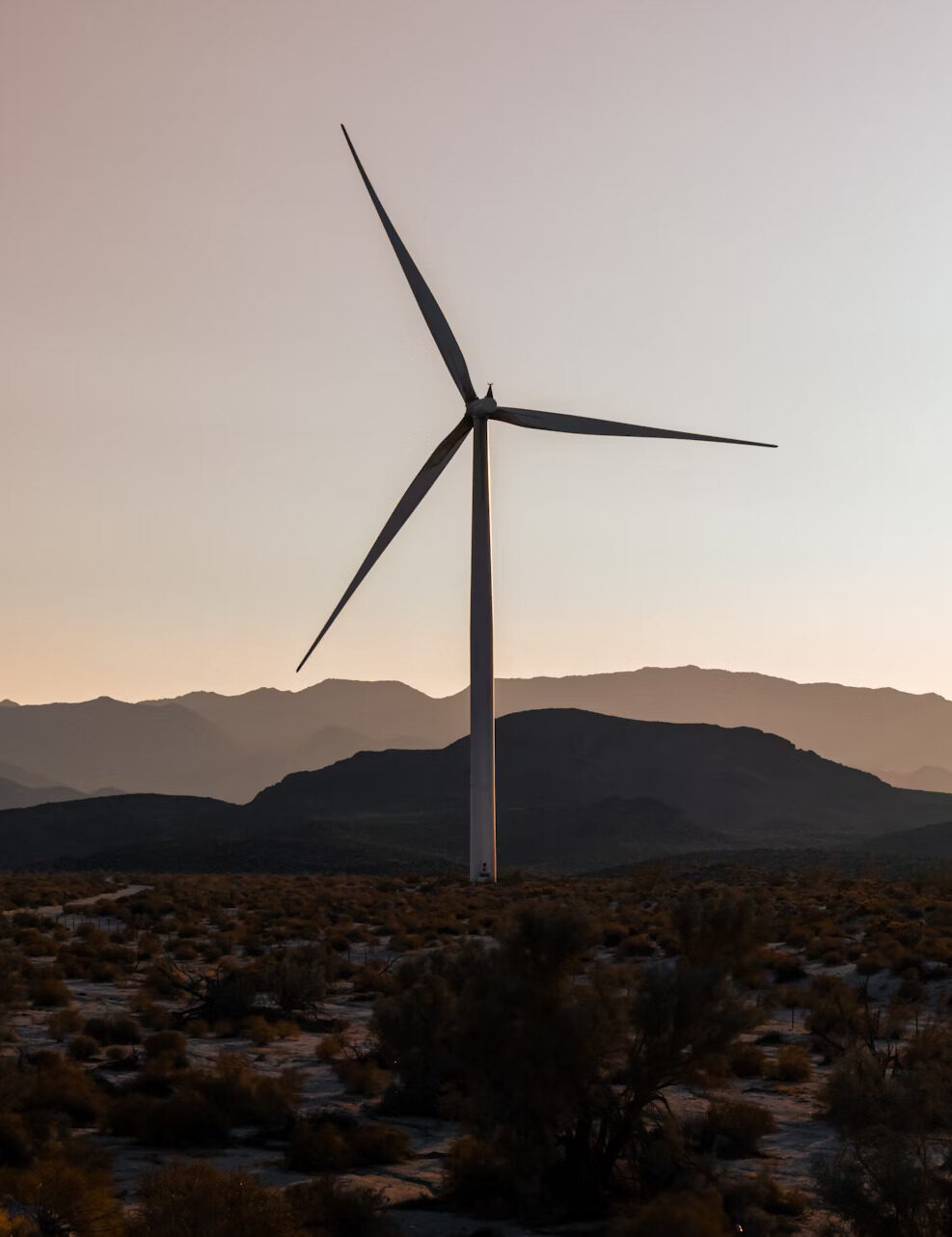
Everything from lithium batteries to solar panels, as well as other crucial elements of developing clean technology is imported from China. However, with high tariffs on these products, the prices of solar panels and other equipment, needed to continue the move away from fossil fuels and toward clean energy, will rise significantly, slowing this transition. Rob Jackson, Head of Global Carbon Project, explains that a potential drop in emissions would likely result from an economic recession triggered by the tariffs; this tradeoff is far from ideal, since the emissions reduction would be temporary and eventually rebound. Less international trade also means fewer goods transported around the world and fewer greenhouse gas emissions by cargo ships, planes, and other vehicles. He compares the reduction to one that occurred at the time of the COVID-19 pandemic, where many businesses were unable to function and working from home was the norm. However, within a year, carbon emissions surpassed previous levels. Without an intentional, effective, and sustainable method to reduce emissions, little to no progress can be made.
Heavy tariffs on goods from China, Mexico, and Canada have been put in place, citing threats posed by “illegal” immigrants and an influx of drugs coming into the United States. For example, Canada is the U.S.’s largest exporter of aluminum, a critical metal used in manufacturing everyday appliances, smartphones, and clean energy technology; the consequences of tariffs will be seen in increased prices of these products for American manufacturers and consumers. With Canada being the largest exporter of aluminum, and Mexico and Canada making up 40% of the aluminum imports to the United States, tariffs mean that the price of materials needed to manufacture clean energy technologies also goes up. Similarly, internationally manufactured batteries used in current wind turbine and solar technologies are vital to meeting clean energy goals, but as prices go up and local manufacturing requirements are enforced, development of these formerly imported products will require more time and resources – slowing the transition away from fossil fuels.
The tariffs also take a significant toll on the American electric vehicle industry. After a push by the Biden administration for 50% of new car sales to be electric, many American car manufacturers began developing electric vehicles. Investing heavily in research and infrastructure, American automakers pushed to achieve this ambitious goal, but are now struggling to sell them at affordable prices for consumers. Despite the rising popularity of electric vehicles, they continue to be the less common choice, largely due to the higher availability of affordable gas-powered cars and greater consumer familiarity. While local production has increased, many parts of this project still require foreign goods, ultimately disrupting the feasibility of reaching this objective.
As negotiations between Trump and various foreign governments persist and tariff agreements progress, the future of clean energy remains unknown. Significant progress has been made to transition away from fossil fuels, but the new tariffs make it much harder for companies to contribute to the development of new technologies as prices go up and materials are harder to acquire. While tariffs are often framed as a tool to protect domestic interests, their broader consequences—ranging from increased costs for consumers, to setbacks in clean energy development—underscore the complexity of global trade policies. As the United States navigates these economic shifts, the balance between protecting local industries and fostering sustainable progress remains a critical challenge. If restricted access to necessary materials for developing clean energy technologies persists, we risk continued reliance on fossil fuels, which will further pollute ecosystems and deplete natural resources. Without critical action to reverse the existing consequences of climate change and the trajectory this administration’s policies continue to lead us on, a future underscored by environmental degradation is imminent.
Edited by Hannah Byrne
Disclaimer: This is an article written by a Staff Writer. Catalyst is a student-led platform that fosters engagement with global issues from a learning perspective. The opinions expressed above do not necessarily reflect the views of the publication.

Suhani is in her fourth and final year at McGill University as an International Development student, with minors in Environmental Studies and Psychology. She is originally from New York City and is especially passionate about environmental issues and policy making that can have critical impacts on global communities.