
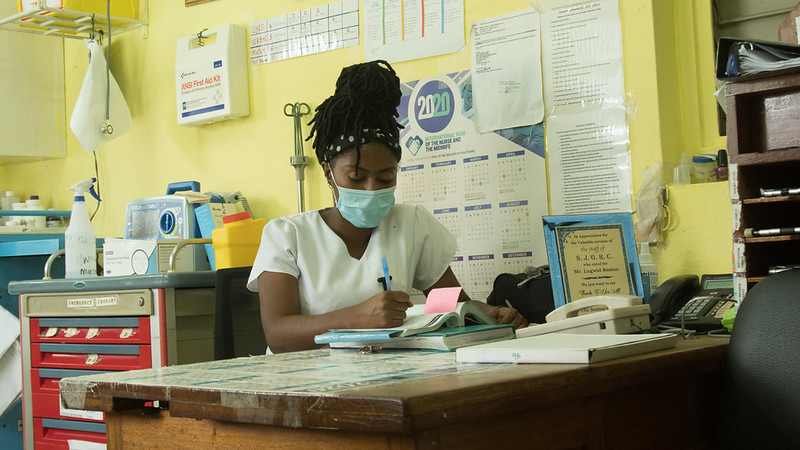
Globally, over 1.8 billion individuals experience menstruation every month. The average menstruator spends 2,535 days of their life menstruating. Although menstruation is a natural process, many menstruators around the world face social, economic, and institutional barriers to adequate menstrual hygiene … Continue reading
Category: Editor’s Pick

Transitional Justice in America: Sustaining the BLM Momentum
Following the Black Lives Matter protests this summer, many were concerned that the movement would not translate into meaningful change. Transitional justice is a step that can be taken by the US to keep the rallying cries of the summer alive.

Stifling Dissent: The Regulation of Internet in India
The decline of political and civil liberties has accelerated since Modi's re-election in 2019. During this time, authorities have increased regulation of, and access to, online spaces as a means to control political discourse and stifle dissenting voices.

The Myanmar Coup: An Interview With A Myanmar Citizen
To get a better sense of this incident on the ground, Catalyst interviewed a 28-year old Burmese citizen living in Yangon.

Black Lives Matter, Justice, and Indigenous Peoples in the Canadian Correctional System
If the Canadian government wishes to reconcile and build meaningful relations with Indigenous peoples, it must prioritize new legislation that directly challenges discrimination and systemic racism of the justice system.

The Upheaval of the Indian Farming System
Demonstrations led by farmers over recent months represent the largest-ever mobilization of farmers in independent India. The death toll has risen to over 70 lives. The overarching demand is the repeal of three laws and the maintenance of minimum support prices (MSPs). In the larger context, however, the standoff can be seen as the fallout caused by the demise of the Green Revolution.

The Hazards of Disconnectedness in Climate Change Adaptation Discourse
As Global North countries have taken the lead in instituting climate change policy and conceptualizing adaptation, their politics have not taken into consideration local and indigenous sources of information when shaping concepts like vulnerability and adaptation.

Grounding the Coup: Narratives of Praetorianism and Democracy in Myanmar
Myanmar’s rapid change of political fortunes as of yesterday might easily come as woven at the centre of two narratives that seem to have defined Myanmar in the eyes of many: on the one hand, a crashing end to a story of hope and democratic change; on the other, the soft, yet inescapable, thump of a history of military despotism reasserting itself once more.
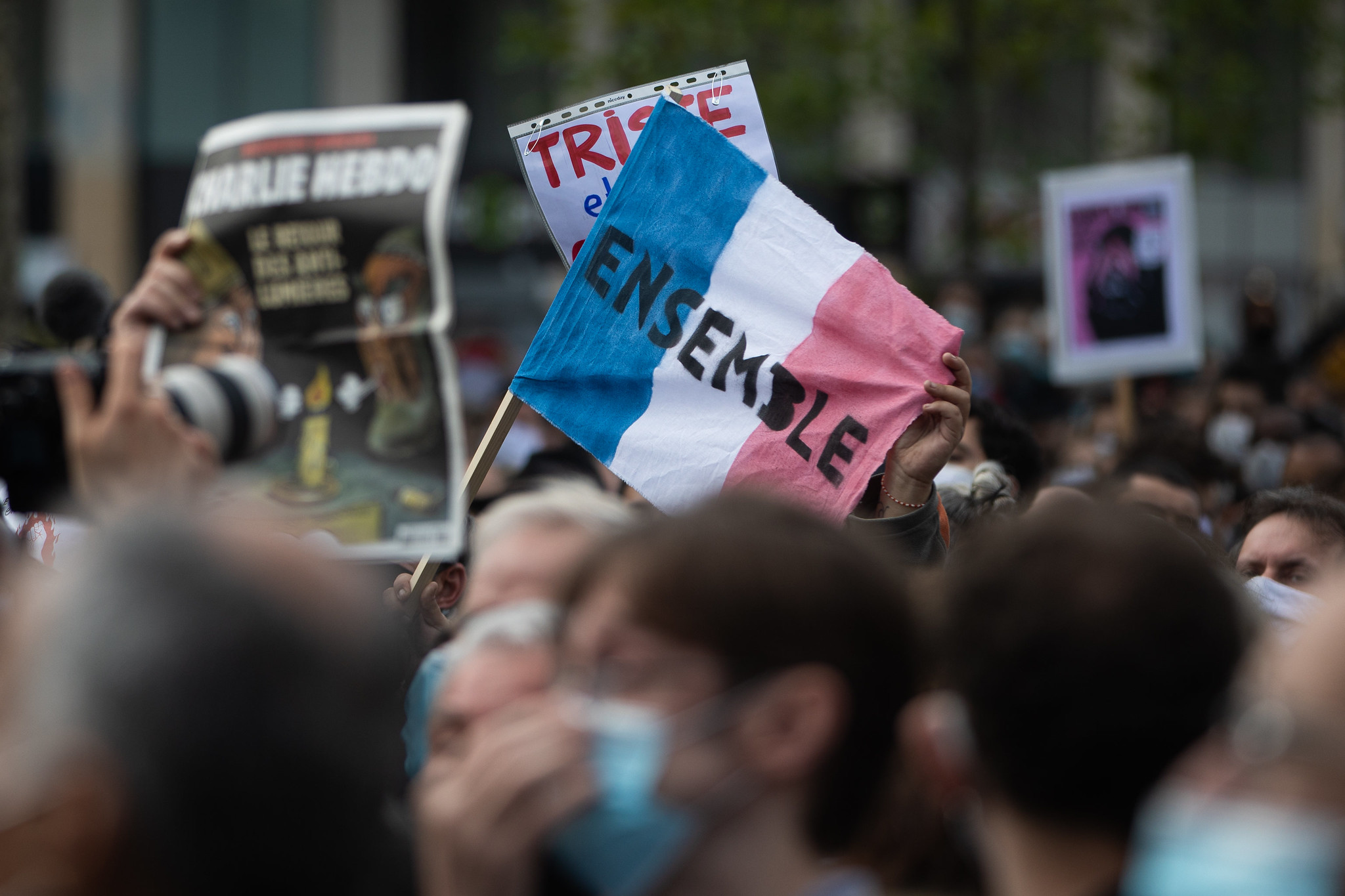
Liberté, égalité, fraternité?
Reports of terrorist acts often plant biased rhetoric and paint the Muslim population as a whole in a violent and ruthless light. There is no undermining the severity of these attacks, however it is not uncommon for them to serve as a contribution to the common narrative depicting the Islamic religion as one with savage inclinations. Rather than painting the attacks as isolated anomalies, media outlets often use them to feed into an ever present mentality of bigotry, something that the Muslim community has had to work in one way or another, to prove themselves separate from.
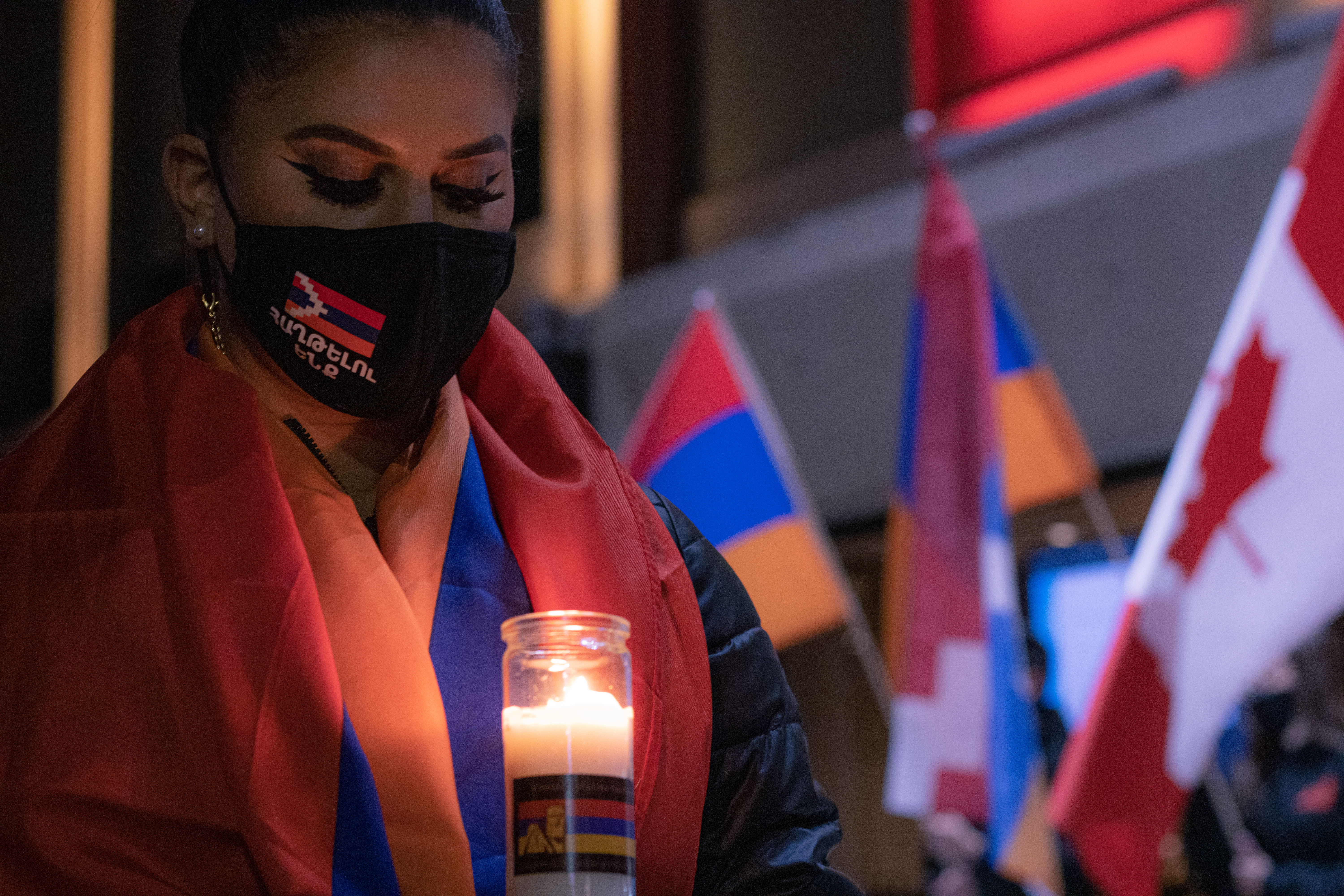
The Violence of Silence: How the West Ignored the Armenian Diaspora
The right to self determination is a founding principle of international law and the United Nations, but as Mariam Grigoryan points out, the case of Arsakh demonstrates that “in the world where oil money costs more than human lives, there’s not much hope for international law and human rights”.