Category: The Americas
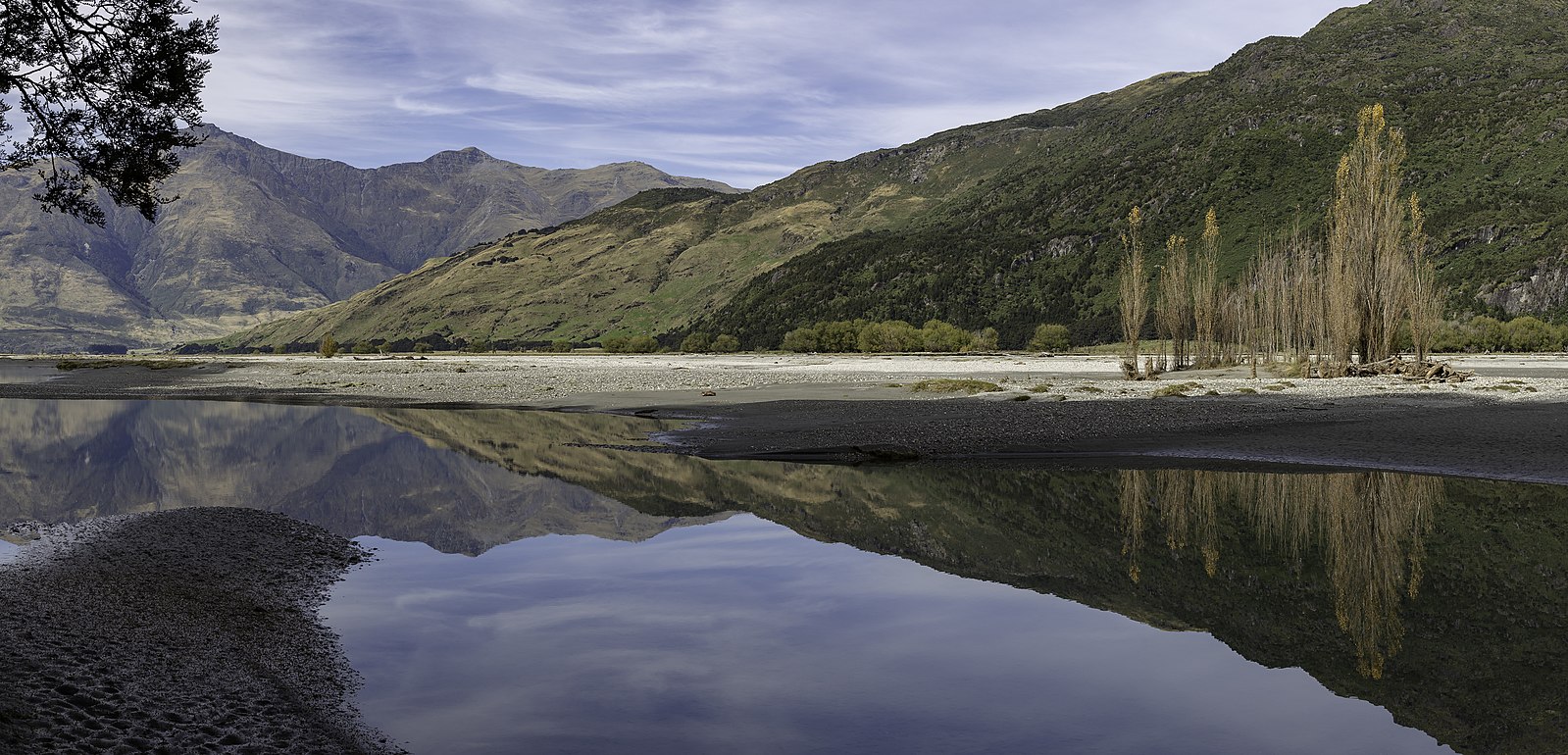
Land and water are integral components of capital accumulation: they are means of wealth accumulation. In a capitalist system, rivers are largely defined as instruments of labor. This paradigm posits that it is logical, if not natural, for humans to subjugate nature to extract resources and access wealth.
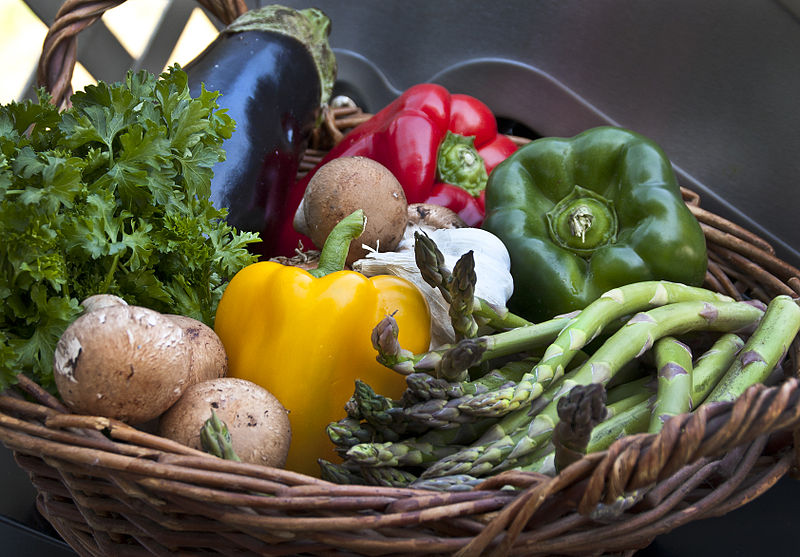
The McGill Food Coalition Kick-Off Event – Community and Food Go Hand-in-Hand
Food and community were the dominant themes at the McGill Food Coalition’s (MFC) kick-off event on November 15th. Attendees were welcomed with warm coffee, MFC pins, and an honest discussion about the state of McGill University’s food system.
The event … Continue reading
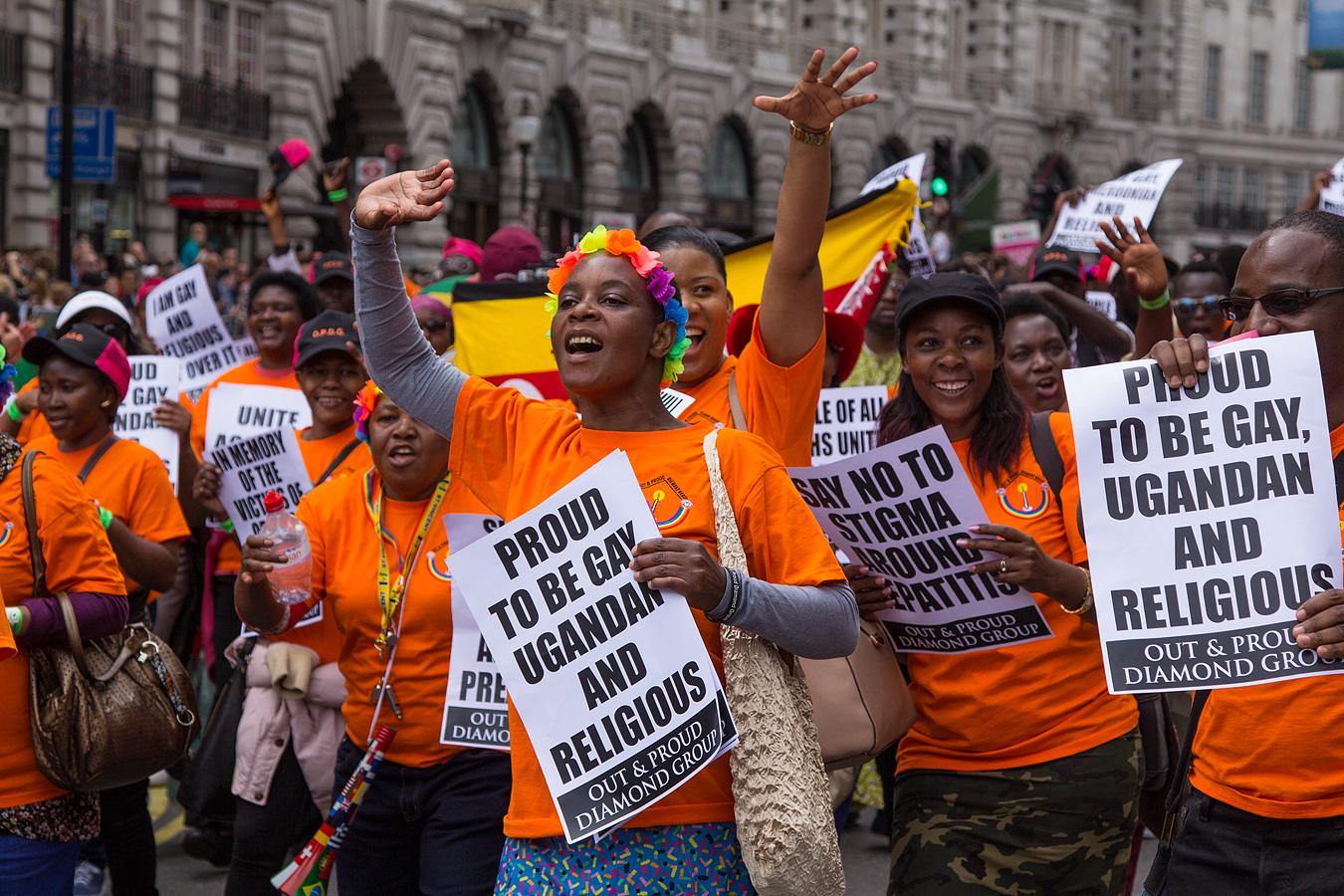
What Anti-Gay Sentiment Means for the LGBTQ+ Community in Uganda
Today, the law sentences homosexual acts to fourteen years of life imprisonment. This illegality of homosexuality makes LGBTQ+ members hesitant to seek help for HIV/Aids. Activists claim that the existing laws and policies make it harder for gay people to get jobs, rent homes, access healthcare and education services.
Comparative Case Study: Abortion Access in Morocco vs. Missouri
In the era of first world feminism, it seems that double standards feed deeper divisions more often than they cause compassion. The severity of a female’s struggle is too often compared to another female’s, rather than her male counterpart.
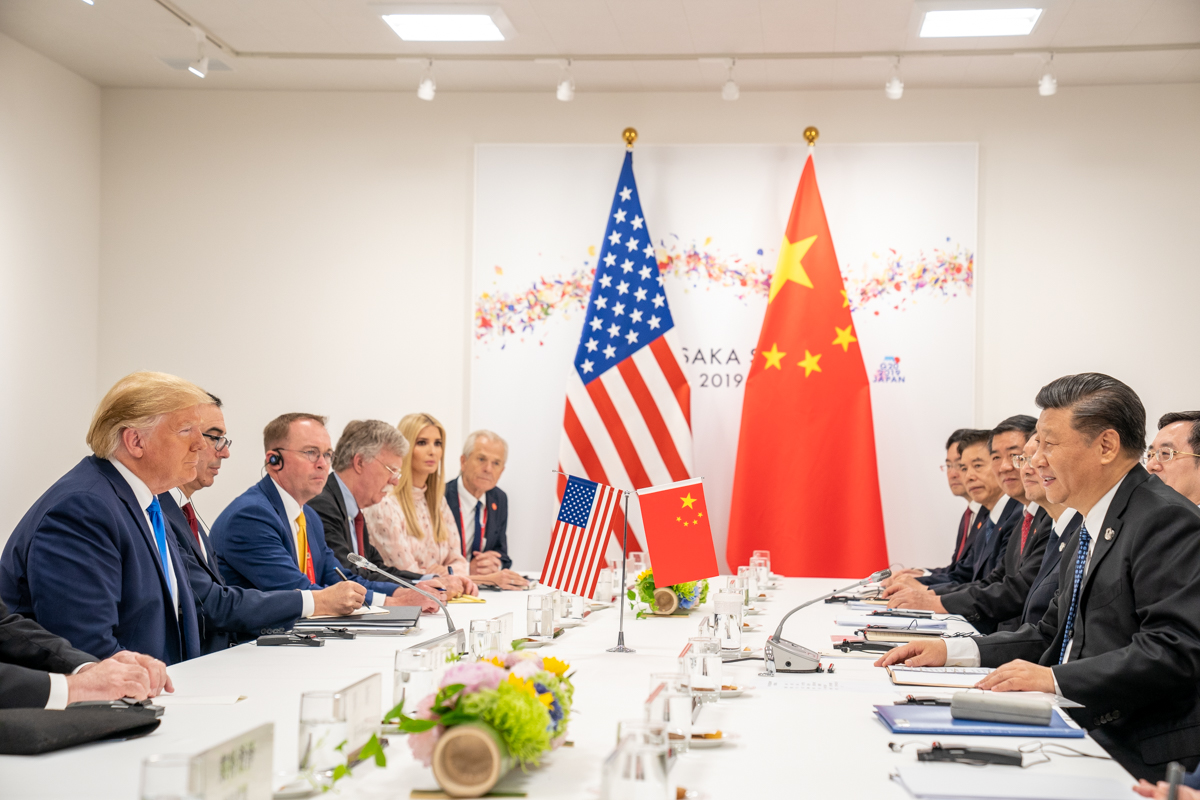
The United States’ Use of Human Rights as a Bargaining Chip in its Trade War with China: Why Here? Why Now?
As the trade war rages on between China and the United States, President Donald Trump’s recent strategy of calling out the human rights abuses of President Xi Jinping’s administration comes as an interesting development.
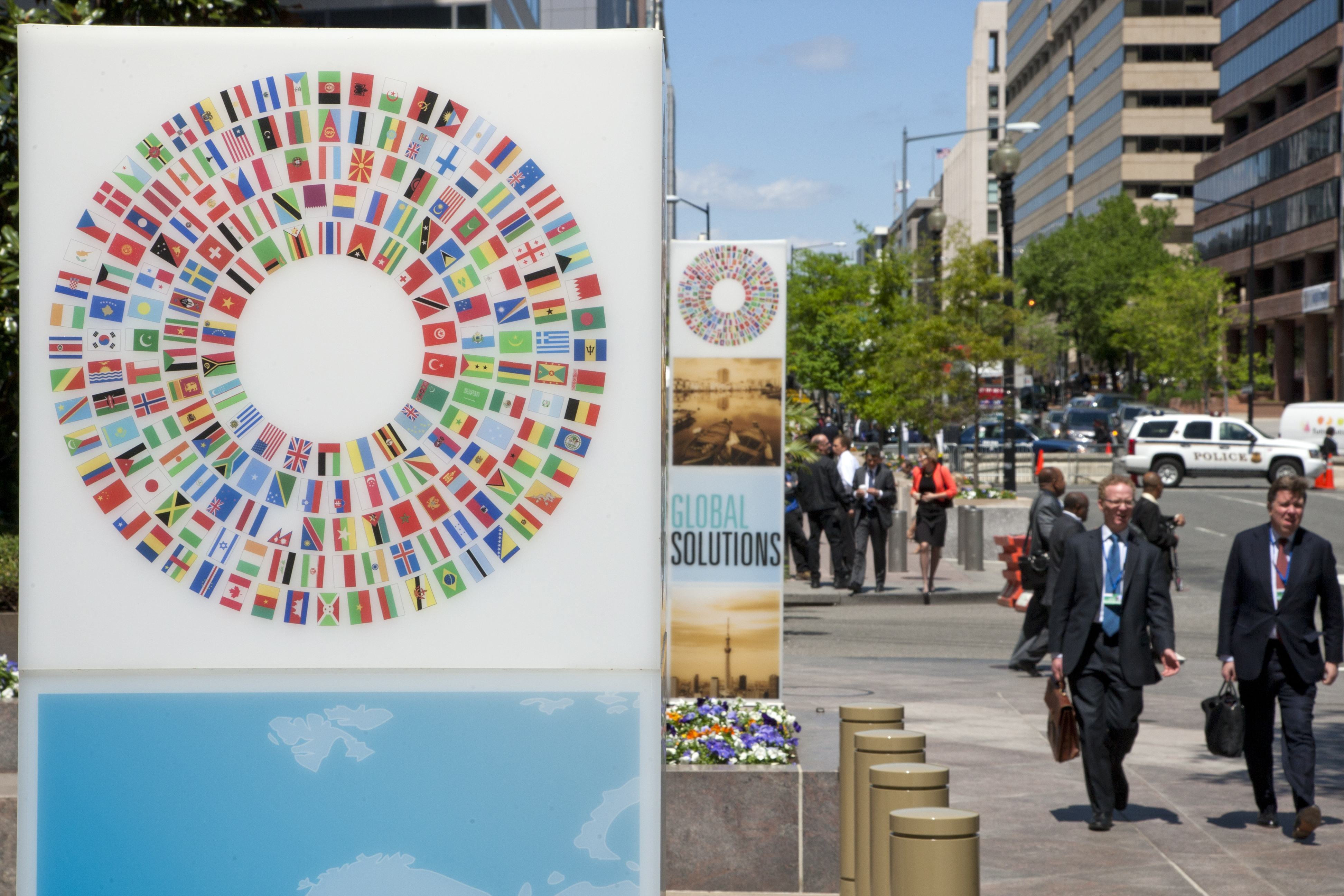
David Malpass at McGill: An Uncertain Future For the World Bank?
Nonetheless, while the World Bank does contribute to some important projects and initiatives, there is still pervasive institutional bias that values the desires of its Western donors over the needs of the developing nations it seeks to assist.
Rage Against the Decree: the Role of Indigenous and Marginalized Ecuadorians in Revoking Decree 883
Within its short existence, the decree has already disproportionately impacted marginalized Ecuadorians, including Indigenous communities, lower-class workers and the rural poor.
Safari Animals, Nature Hikes and Children: How International Voluntourism Perpetuates the White Savior Complex
The modern systems and institutions shared through international voluntourism are from former colonial powers. These colonial legacies in post-colonial societies solidify the hegemony of the west. Voluntourism is neocolonial in nature, although not always malicious in intent.
Interview with Weeam Ben Rejeb
Our team met with Weeam Ben Rejeb to talk about her upcoming article “Disasters as Opportunities: The Disaster Capitalism Pitfall” in the Spring 2019 edition of Chrysalis. Her article explores the ways in which disaster relief has become characterized by capitalist ventures.
Interview with Marie Lemieux
The Catalyst team met with Marie Lemieux to discuss her upcoming article “Mother of the World: Politics of Transnational Female Childcare Provider Immigration” in the upcoming Spring 2019 edition of Chrysalis. Her article explores the dynamics of transnational childcare providers and how the process can be both disempowering and empowering for the childcare providers.