Category: Economics
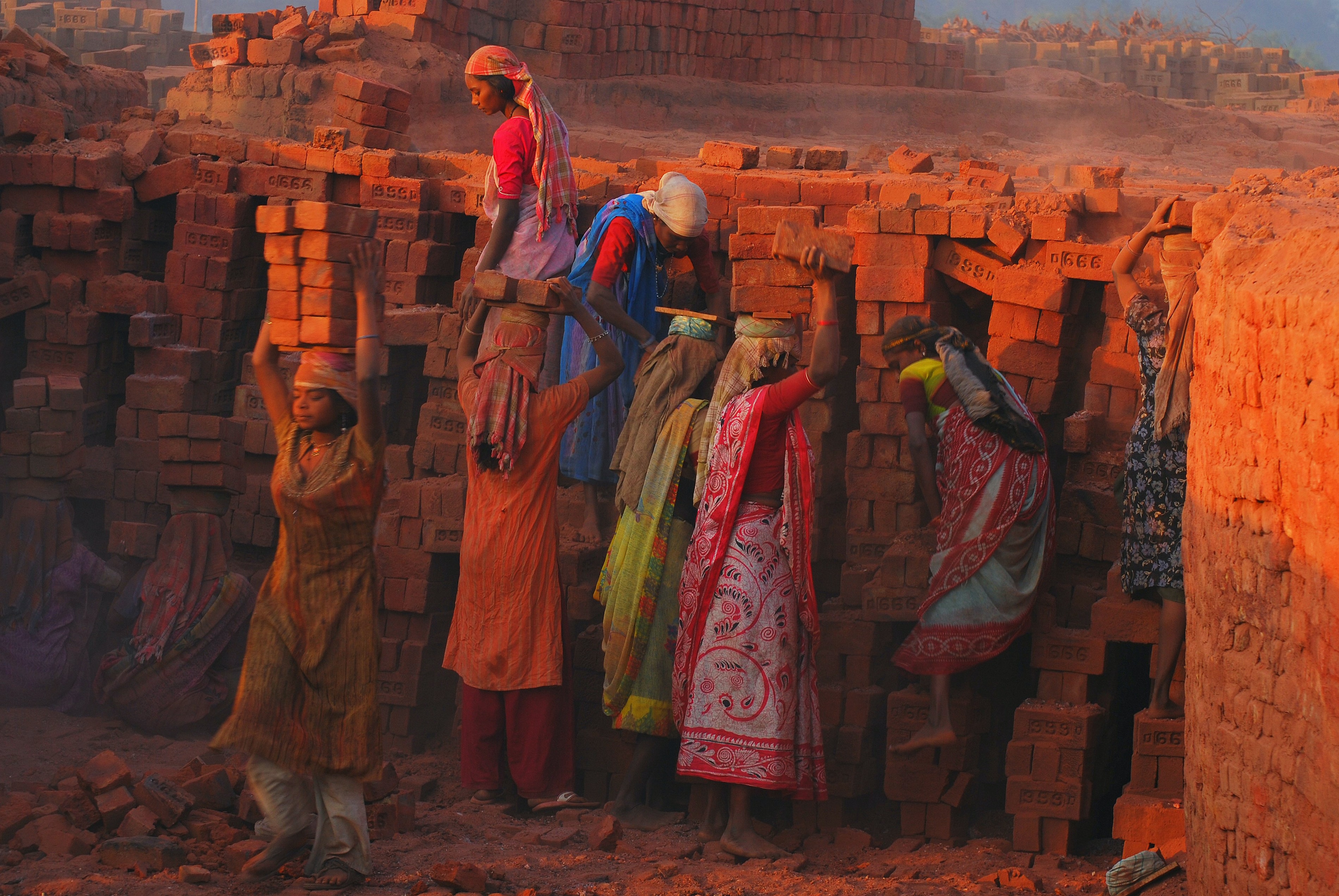
In this interview, I take you to Japan: an economic powerhouse, stable democracy, and a country known for its increasing reliance on migrant workers.
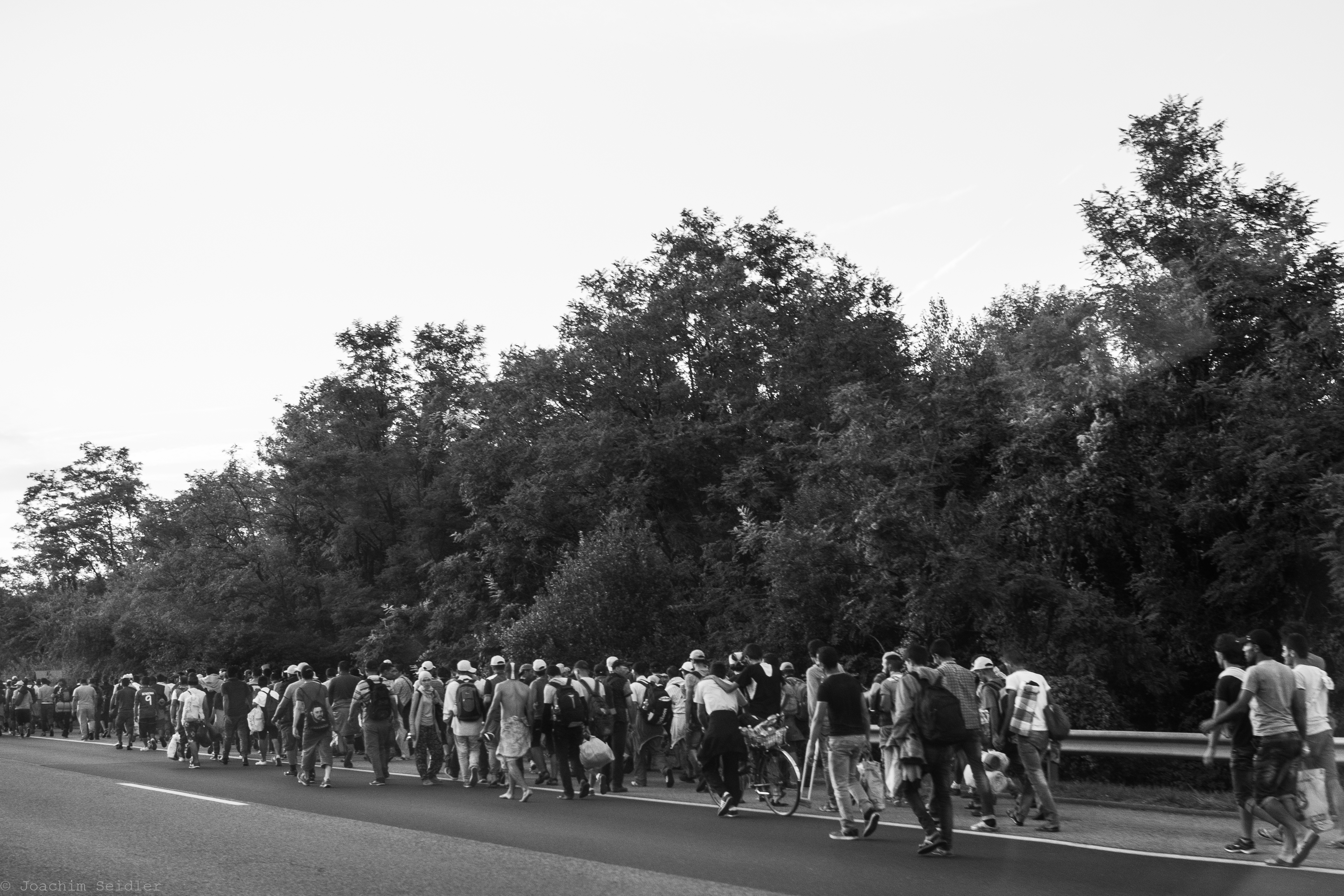
The Venezuelan Refugee Crisis: Consequences and Responses
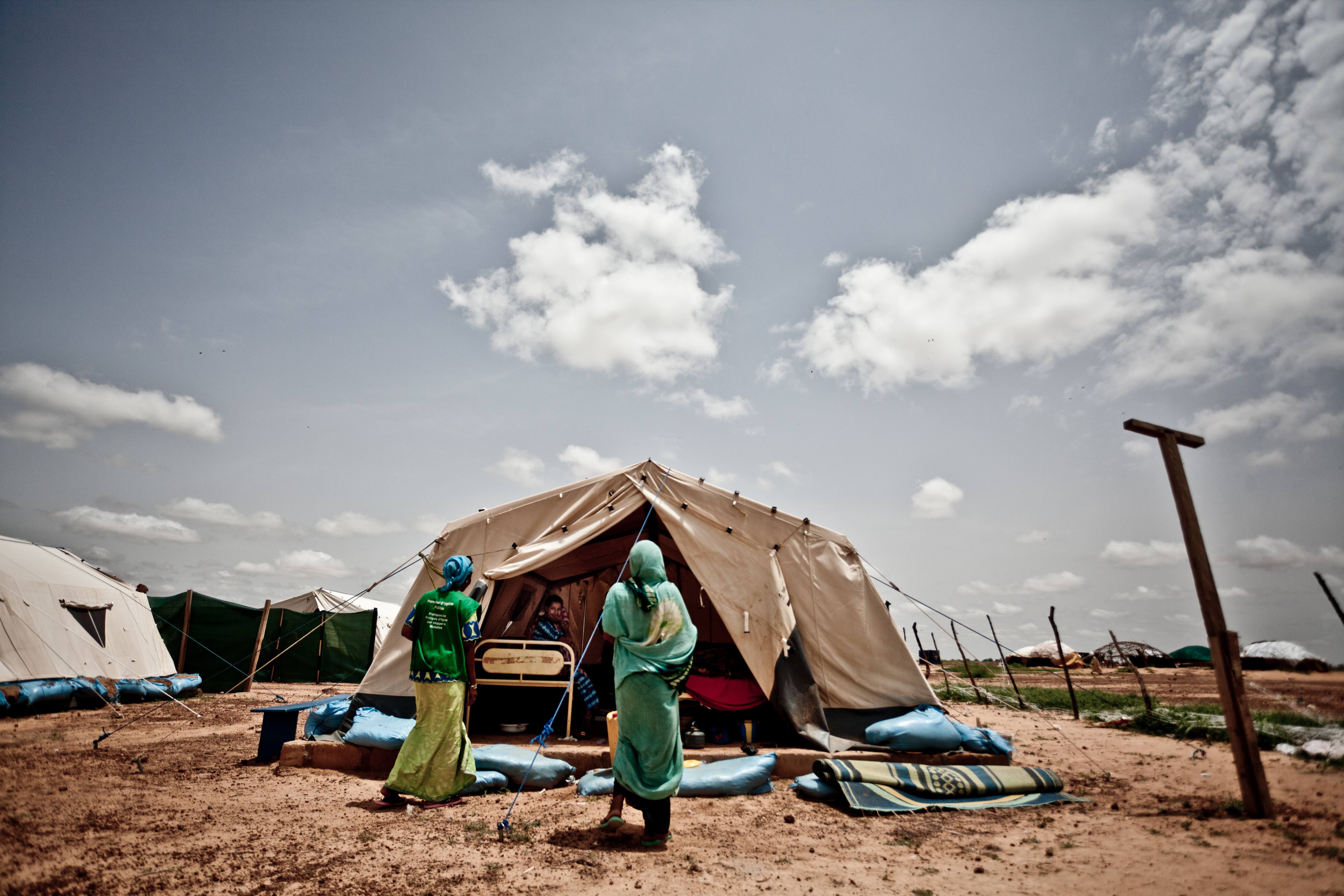
As of today, approximately 4.8 million Venezuelans have fled the country in an attempt to seek refuge from the crisis — that is, about 16% of Venezuela’s total population.
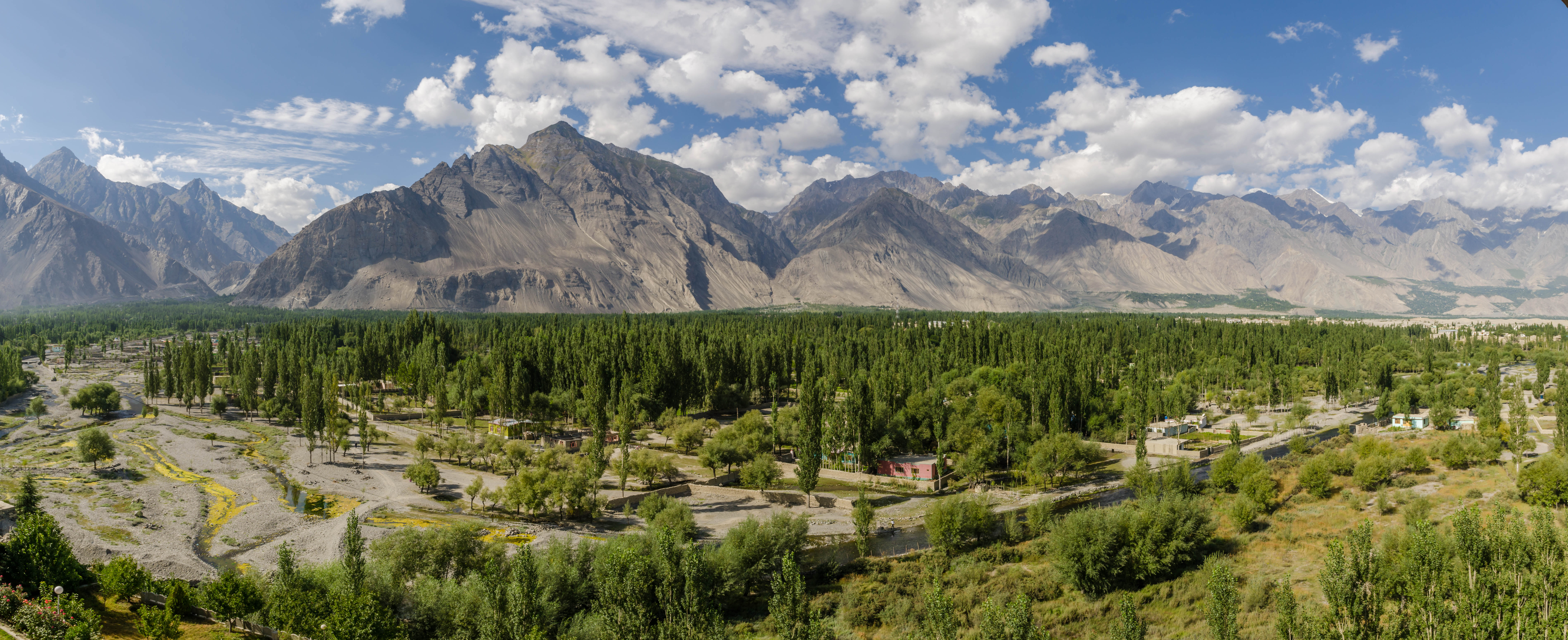
The Demise of Path Dependency: Pakistan’s Economy
In a system where profit is king, there is little material incentive to diversifying outside of industries wherein powerful stakeholders have interests.
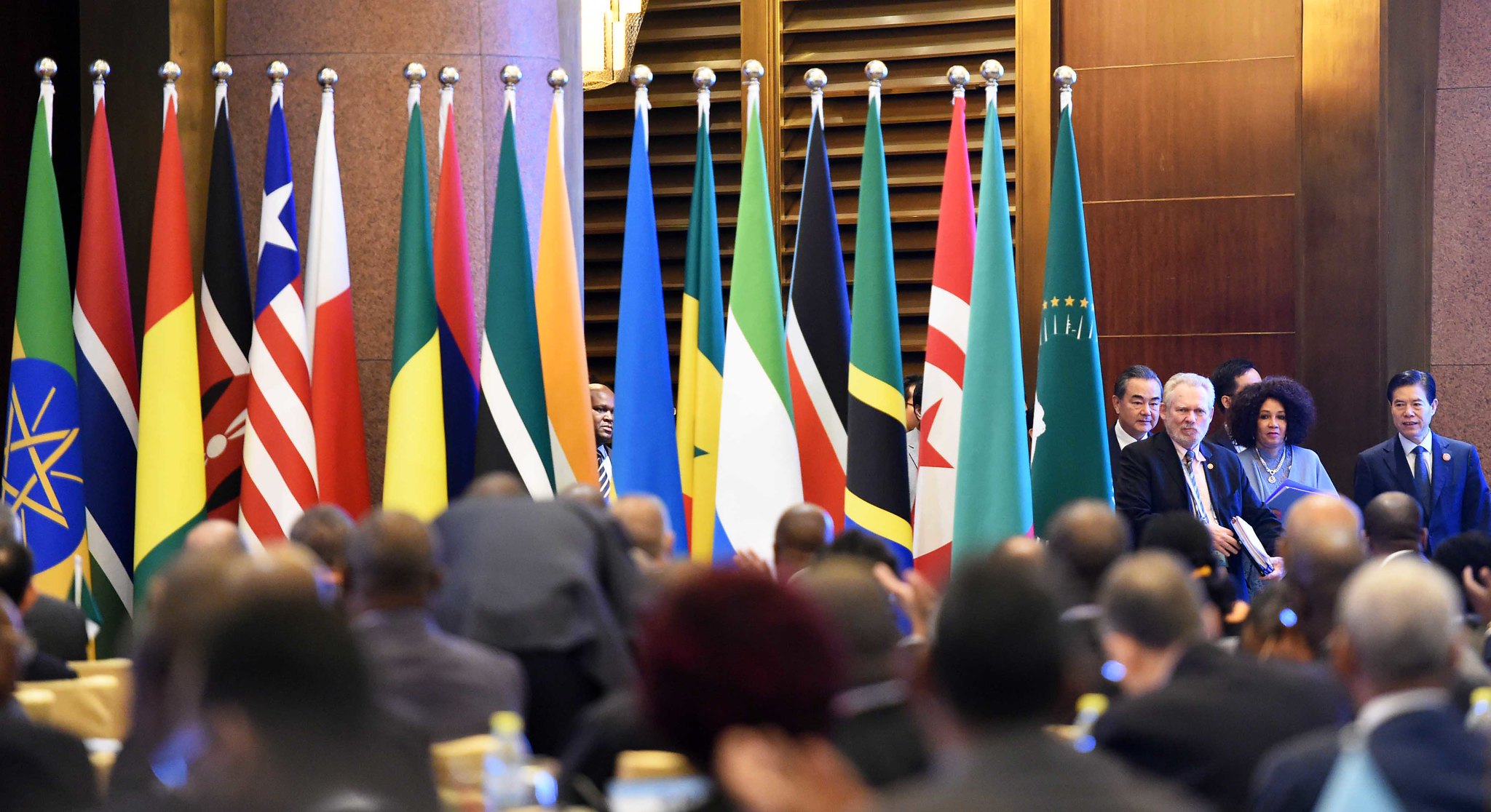
Contemplating Contemporary Colonialism: Making sense of China’s Increasing Investment and Influence in Africa
While Europe has long been Africa’s biggest investor, China’s increasingly assertive investment portfolio over the last three decades has forcefully challenged the status quo.
Giving Rivers Rights: A Novel Approach to Protecting the Environment
Land and water are integral components of capital accumulation: they are means of wealth accumulation. In a capitalist system, rivers are largely defined as instruments of labor. This paradigm posits that it is logical, if not natural, for humans to subjugate nature to extract resources and access wealth.
The McGill Food Coalition Kick-Off Event – Community and Food Go Hand-in-Hand
Food and community were the dominant themes at the McGill Food Coalition’s (MFC) kick-off event on November 15th. Attendees were welcomed with warm coffee, MFC pins, and an honest discussion about the state of McGill University’s food system.
The event … Continue reading
The United States’ Use of Human Rights as a Bargaining Chip in its Trade War with China: Why Here? Why Now?
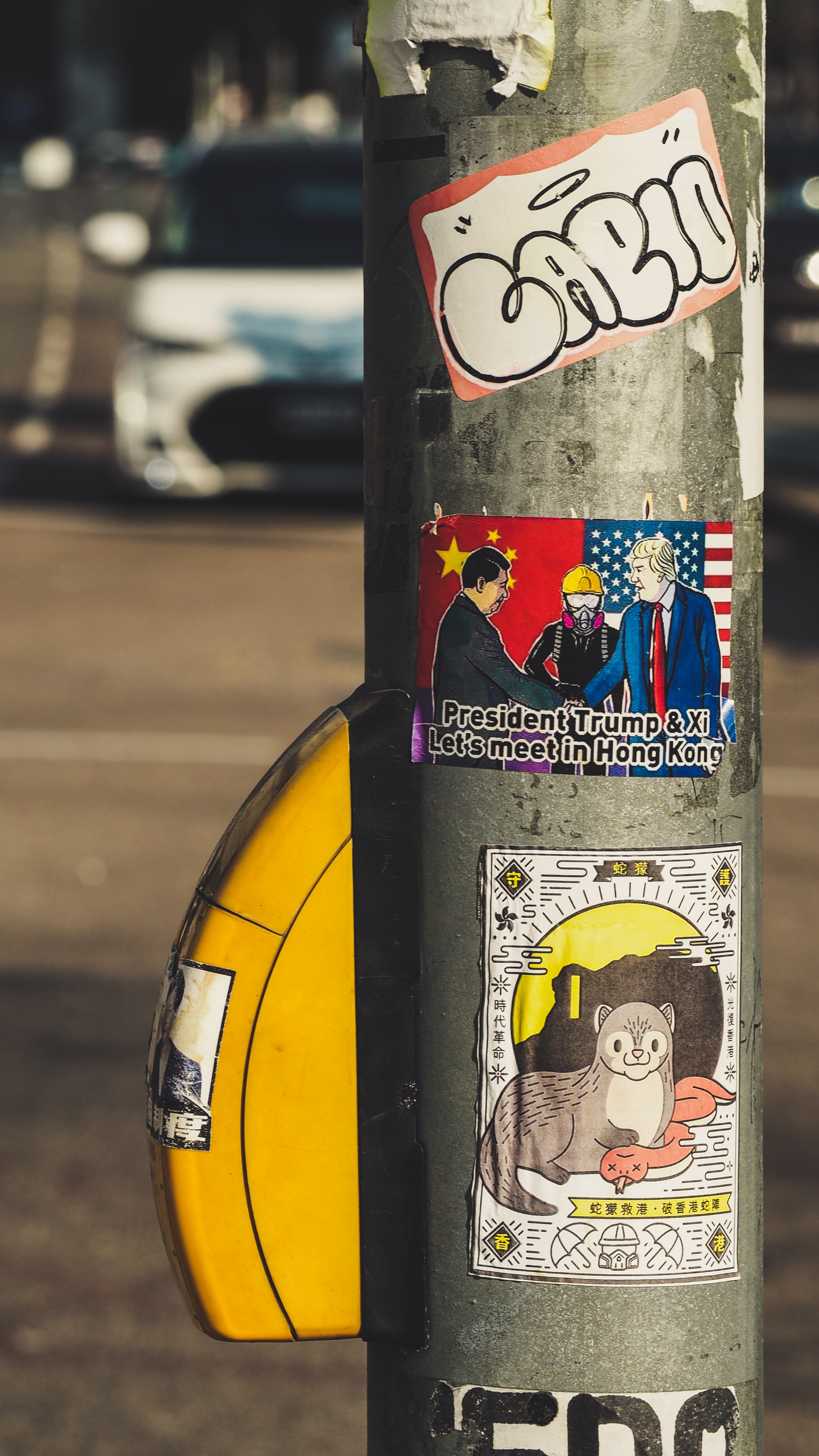
As the trade war rages on between China and the United States, President Donald Trump’s recent strategy of calling out the human rights abuses of President Xi Jinping’s administration comes as an interesting development.
David Malpass at McGill: An Uncertain Future For the World Bank?
Nonetheless, while the World Bank does contribute to some important projects and initiatives, there is still pervasive institutional bias that values the desires of its Western donors over the needs of the developing nations it seeks to assist.
Rage Against the Decree: the Role of Indigenous and Marginalized Ecuadorians in Revoking Decree 883
Within its short existence, the decree has already disproportionately impacted marginalized Ecuadorians, including Indigenous communities, lower-class workers and the rural poor.
Mongolia’s Raw Coal Ban Promises Results… But What Kind of Results?
This is a story of development – the aid-dependent economy, deep public mistrust in the government, rapid urban migration, and a silent plague that blankets the sky in the cold winter months.