
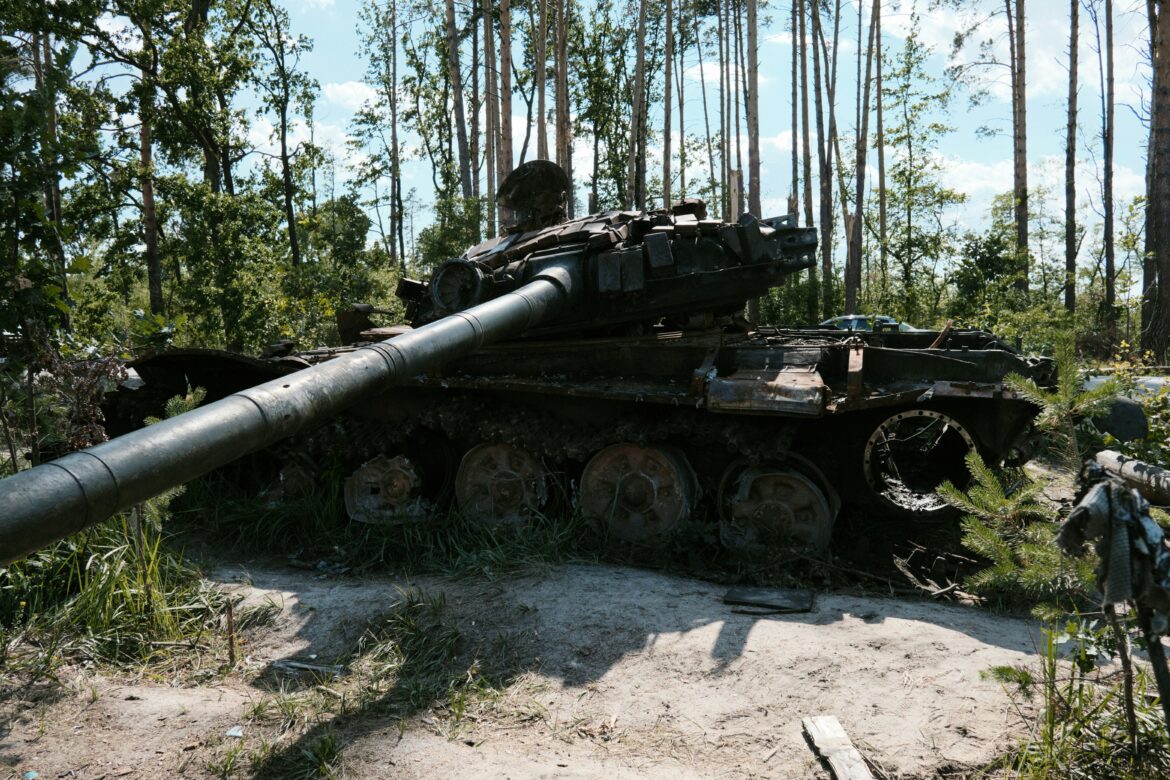
A growing number of African citizens have claimed they were deceived into assisting Russia’s military operations since the beginning of the invasion of Ukraine. On January 31st, 2026, Ukrainian authorities reported that Clinton Nyapara Mogesa, a 29-year-old Kenyan citizen, had died fighting alongside the Russian army in eastern Ukraine, one of many African soldiers who have lost their lives serving in the Russian army. Foreign citizens in the Russian army often face a horrible fate; most of them are sent to fight in ‘meat assaults’ where they are quickly killed. Among African soldiers who enlisted in the Russian army between 2023 and mid-2025, preliminary calculations reveal a devastating death rate exceeding 22 percent. As of November 2025, the Ukrainian government estimated that over 1,400 citizens from 36 African countries are deployed with Russian forces, many of these soldiers recruited through deceptive techniques.
Firsthand Accounts of Recruitment
Evans Kibet, an aspiring Kenyan athlete, claims he was tricked into joining the Russian military after travelling to Russia to compete in a sporting event. After arriving in Russia, Kibet was treated to a few days of sightseeing and elaborate dinners before he was approached to extend his stay in the country. He proceeded to sign a contract, written entirely in Russian, which, to his knowledge, detailed the terms of his year-long visa extension. Immediately after signing, his phone and passport were taken from him, and he realized that he had been conscripted into the Russian army. With only three weeks of training, he was deployed. Before engaging in any direct combat, Kibet escaped into the woods and was eventually spotted by a group of Ukrainian soldiers who took him as a prisoner of war. Kibet reports that he is doubtful in his ability to return home. The timing of his release is unknown.
Bankole Manchi, a 36-year-old Nigerian citizen, describes a similar story. Manchi recounts that he left home after receiving what he believed was a well-paying overseas job. However, when he arrived in Russia, he reported being handed over to an unidentified man who transported him to a military-style camp. Manchi said he received basic training before arriving at the frontline, where he was shot in the leg. He described that recruits were forced to survive on water for days as food was extremely scarce. Manchi claims that African soldiers were treated as “disposable fighters” in a conflict they never consented to participate in.
Women are not exempt from Russia’s manipulative recruitment practices, as foreign women are targeted to work in arms manufacturing. A 23-year-old woman originally from South Sudan, Adua, testifies that she was deceived into manufacturing drones after applying to the Alabuga Start programme, a recruitment scheme promising professional development in an area of her choice. Upon arriving in Russia in March of 2024, Adua was denied the opportunity to work in the field she had selected during the application process and was forced to sign a non-disclosure agreement. Adua was not provided with the necessary protective equipment for the role, as she reports that the chemical she worked with caused her skin to burn and peel. During her time in the factory, the Alabuga Special Economic Zone was targeted by a Ukrainian drone strike, completely destroying the housing facility adjacent to Adua’s. Fortunately, Adua was able to hand in her notice and return to South Sudan. However, she recounts that many women cannot afford a return flight and are trapped there, largely because their wages fall short of what was initially promised. It is estimated that over 1,000 women have been recruited to work in Alabuga’s weapons manufacturing facilities.
Governmental Responses: South Africa and Kenya
These atrocities have received numerous responses from national governments across Africa, reporting that their citizens have been recruited through false job postings and promises of professional development. Last year, the South African government reported that 17 of its citizens had appealed for help from the Donbas region, alleging they had been recruited under misleading promises of paid work. President Cyril Ramaphosa has ordered an investigation into the mechanisms responsible for luring these young men into Russia. Analysts speculate that high youth unemployment has made South Africans particularly vulnerable to illegal recruitment. This vulnerability reflects broader patterns across the Global South, where persistently high youth unemployment and limited formal labour opportunities are compounded with increasingly globalized labour mobility. Informal pathways such as online recruitment channels lack sufficient regulation, enabling recruiters to exploit these economic conditions to reproduce colonial structures of labour extraction. Government spokesperson Vincent Magwenya reported that diplomatic efforts are underway to return the men home. On February 3rd, South Africa reported that Russian President Vladimir Putin had pledged to help repatriate South African citizens who have joined Russian troops. As of February 24th, President Ramaphosa thanked President Putin for assisting in the safe return home of the 17 South African nationals who were reportedly misled into enlisting in the Russian army. Ghana’s government has publicly expressed concerns regarding its citizens being deceived into joining Russia’s forces; however, Putin has not extended any commitment to facilitate the return of citizens from any country other than South Africa.
Similarly, Kenya’s Foreign Minister Musalia Mudavadi has stated that Nairobi had shut down illegal recruiters and that the government would work with Moscow to develop an agreement banning the conscription of Kenyan soldiers. The Kenyan government estimates that approximately 200 of its nationals have been recruited into Russian war efforts, maintaining that none of them travelled through official channels. Mudavadi reported that Kenyan authorities have closed more than 600 recruitment agencies suspected of deceiving citizens with false promises of overseas employment. Thus far, 27 Kenyan nationals have been repatriated, but many families have been unable to recover or bury the bodies of the loved ones they have lost.
A Wider Pattern of Exploitation
The individual-level accounts of Evans Kibet, Bankole Manchi, and Adua not only represent the severity of cruelty within Russia’s human trafficking operations but also highlight a small portion of Russia’s larger exploitative presence across many African countries. It is important to consider that, alongside efforts to enlist foreigners in war efforts, Russia has increased its presence across the continent through private military companies. Chiefly, the Wagner Group — a Kremlin-linked mercenary organization now operating through the Africa Corps — has secured access to valuable natural resources to finance its operational costs while generating substantial profits in each country it is active in. Utilizing informal pathways, such as unofficial recruiters and private military companies, grants the Russian state plausible deniability in the exploitation of numerous African countries. Far from a novel development, this predatory engagement is a renewed iteration of enduring patterns of external extraction in Africa. For centuries, powerful states have mobilized the continent’s resources and labour to maintain their position within the international system.
Edited by Alex Alikakos
This is an article written by a Staff Writer. Catalyst is a student-led platform that fosters engagement with global issues from a learning perspective. The opinions expressed above do not necessarily reflect the views of the publication.

Natalia Sodhi is in her second year at McGill University, currently pursuing a B.A. in International Development Studies with a minor in Urban Geography. She serves as a staff writer for Catalyst and is particularly interested in the global refugee crisis, international migration flows, and sustainable urban development.