
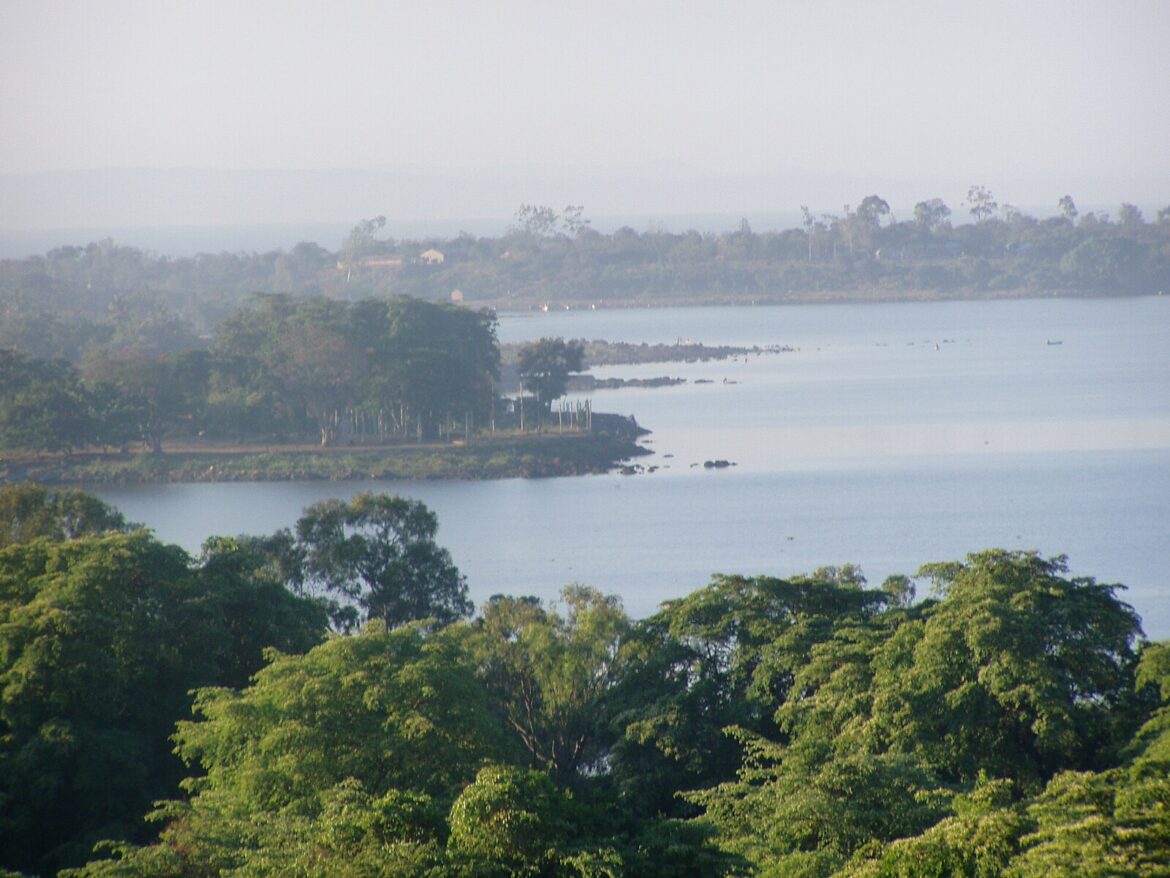
For fishing communities situated along Sub-Saharan Africa’s Lake Victoria, HIV is an ever-present challenge. The lake, a cornerstone of Kenya, Tanzania, and Uganda’s fishing economies, is also the site of a persistent HIV crisis. Currently, the rate of HIV in Lake Victoria’s fishing counties is significantly higher than the global average. In Kenya’s Homa Bay County, for example, over 27% of women and 23% of men are HIV positive. This statistic lies in stark contrast to the significantly lower global HIV rate (0.7%). Additionally, women tend to contract HIV at higher rates than men, indicating broader gender inequities within the region. The epidemic comes as a result of high poverty rates, limited access to health services, and a local fishing economy that relies heavily on sexual transactions.
One key driver of the Lake Victoria HIV crisis is the practice of “sex for fish,” or jaboya. Under the jaboya system, women offer sex to fishermen in exchange for fish to sell at the market. However, in recent years, environmental degradation has led to a decline in the lake’s fish population. As fish become increasingly scarce, male fishermen extort sexual favors from female fish sellers who rely on the commodity as their primary source of income. According to local women, many male fishermen have multiple sexual partners under the jaboya system and prefer to engage in unprotected sex. Jaboya is sexually and economically exploitative of women and accelerates the spread of HIV.
In recent years, grassroots efforts have materialized to end the jaboya system and its corresponding impact on regional HIV prevalence. The “No Sex for Fish” movement, an initiative based in Nduru Beach, strives to end jaboya by equipping female fish sellers with the boats necessary to run their own fishing enterprises, thus generating additional income. Ideally, this supplemental money will empower women to abandon transactional sexual relationships with fishermen in exchange for more equitable participation in the fishing economy. Though the initiative was granted seed money from USAID’s President’s Emergency Plan for AIDS Relief (PEPFAR), it has dissolved somewhat due to a lack of continued financial support.
Other strategies to combat the Lake Victoria HIV crisis may prove more sustainable in the long term. Female economic empowerment initiatives can be used as tools to alleviate poverty, a financial condition that correlates heavily with HIV rates. Education clinics like Port Victoria’s Calestous Juma Innovation and Resource Hub, for example, offer digital literacy instruction with a focus on female students. These lessons equip residents with skills transferable to both local enterprise and the corporate sector. Increased job prospects, in turn, allow women to disengage with the sex-for-fish system and generate income for their communities, which can be reinvested into HIV prevention.
Of course, voluntary counseling and testing (VCT) and antiretroviral therapy (ART) are the most direct and effective methods to stop the spread of HIV. However, these prevention strategies require levels of societal destigmatization and healthcare infrastructure that the Lake Victoria region presently lacks. A gender-aware, economics-centered approach to addressing HIV will naturally facilitate long-term disease prevention both around Lake Victoria and in other regions of a similar socioeconomic landscape.
Written By: Sofia Chiulli Lay
Edited By: Shihun Lee
This is an article written by a Staff Writer. Catalyst is a student-led platform that fosters engagement with global issues from a learning perspective. The opinions expressed above do not necessarily reflect the views of the publication.
As part of the World AIDS Day initiative and in partnership with Catalyst, the First Year Council of the International Development Studies Association presents “First Year Voices,” a space for IDS students to share their reflections on global health and justice.