Liberté, égalité, fraternité?

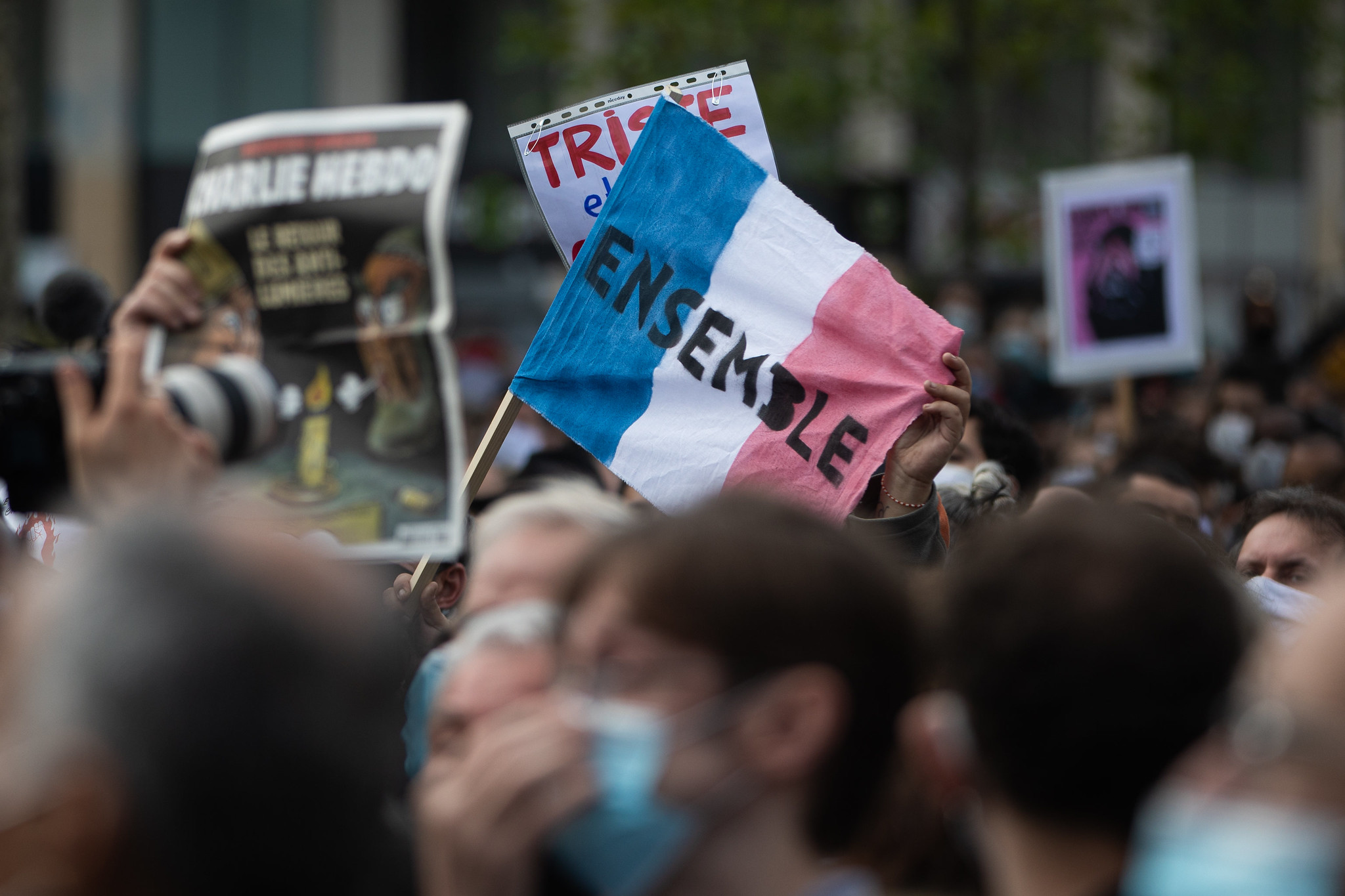
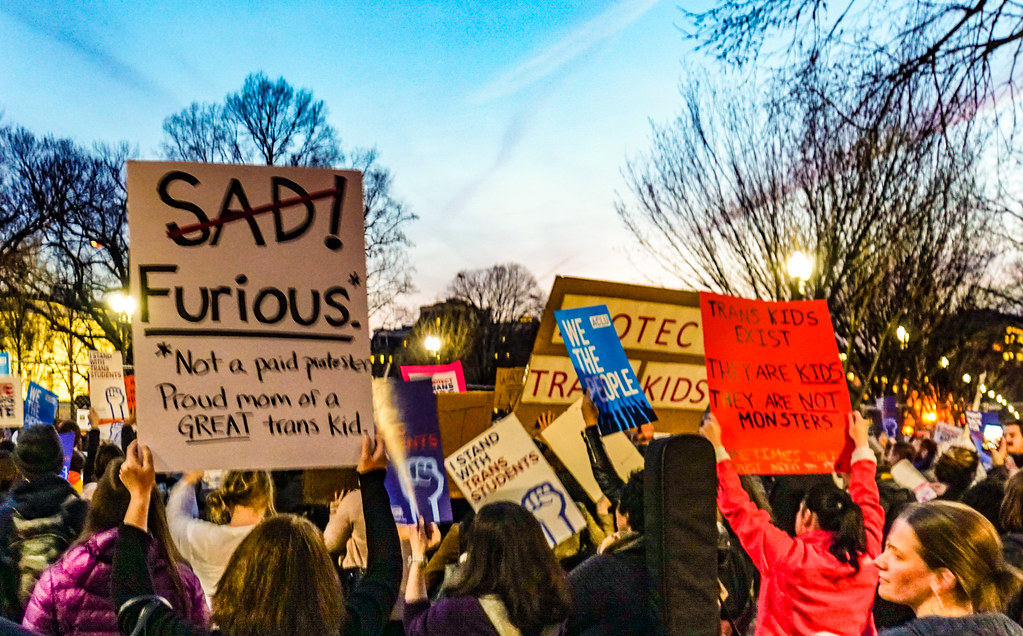
Reports of terrorist acts often plant biased rhetoric and paint the Muslim population as a whole in a violent and ruthless light. There is no undermining the severity of these attacks, however it is not uncommon for them to serve as a contribution to the common narrative depicting the Islamic religion as one with savage inclinations. Rather than painting the attacks as isolated anomalies, media outlets often use them to feed into an ever present mentality of bigotry, something that the Muslim community has had to work in one way or another, to prove themselves separate from.

Read More

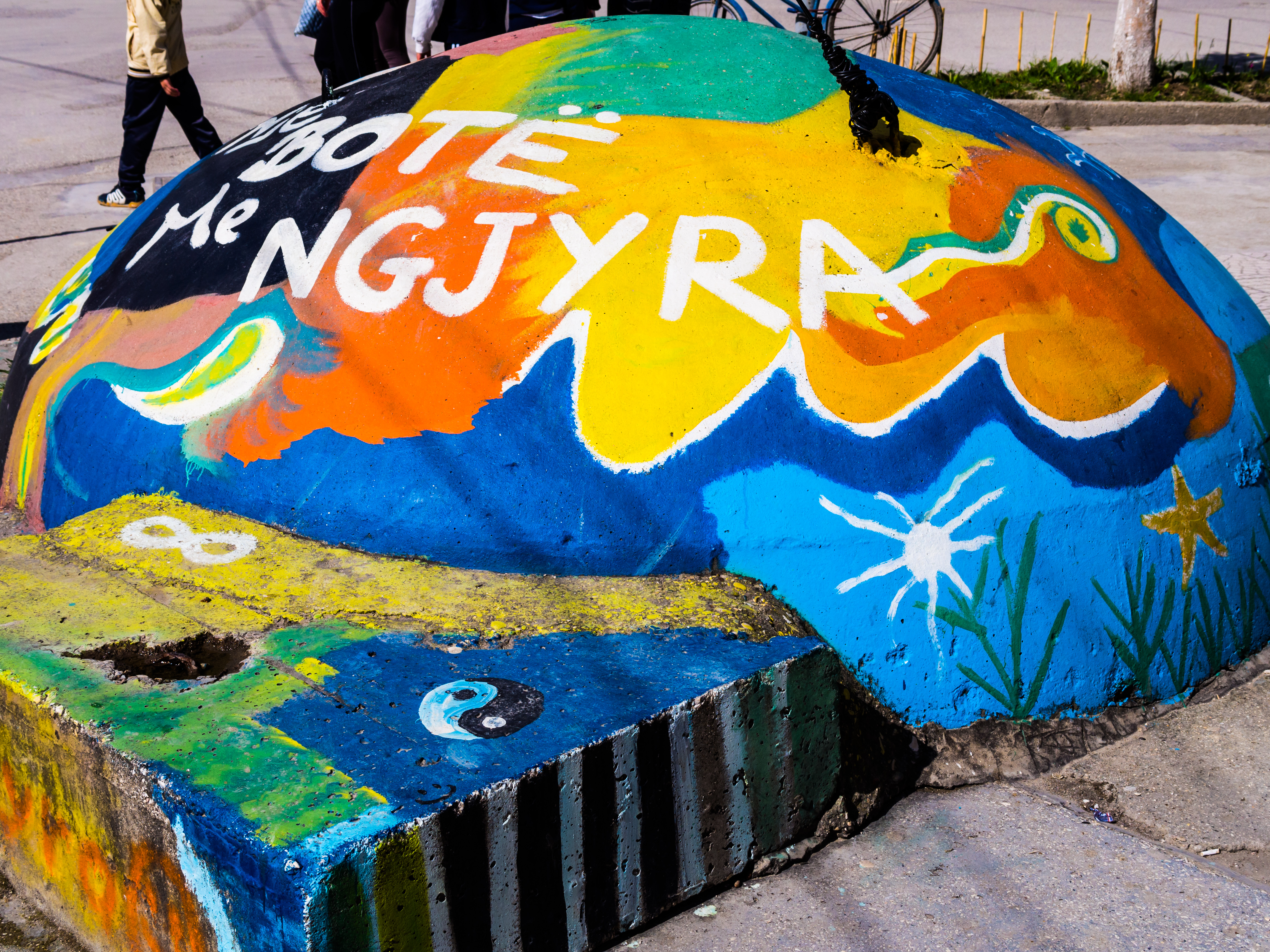
Reparative Conversations: Transitional Justice in Albania, an Interview with Kristale Ivezaj Rama

Rama believes this project is a “tiny seed” in the greater movement towards transitional justice, something those living in Albania need to be able to move forward. Limitations on free speech and an unstable economy are just some of the lasting effects of this period in Albania, and as Rama so eloquently put, the “people can’t think about the past if they are too preoccupied with the present and worry about their future”.

Read More

Buying a Blind Eye: The Abuse of Liberty in Saudi Arabia

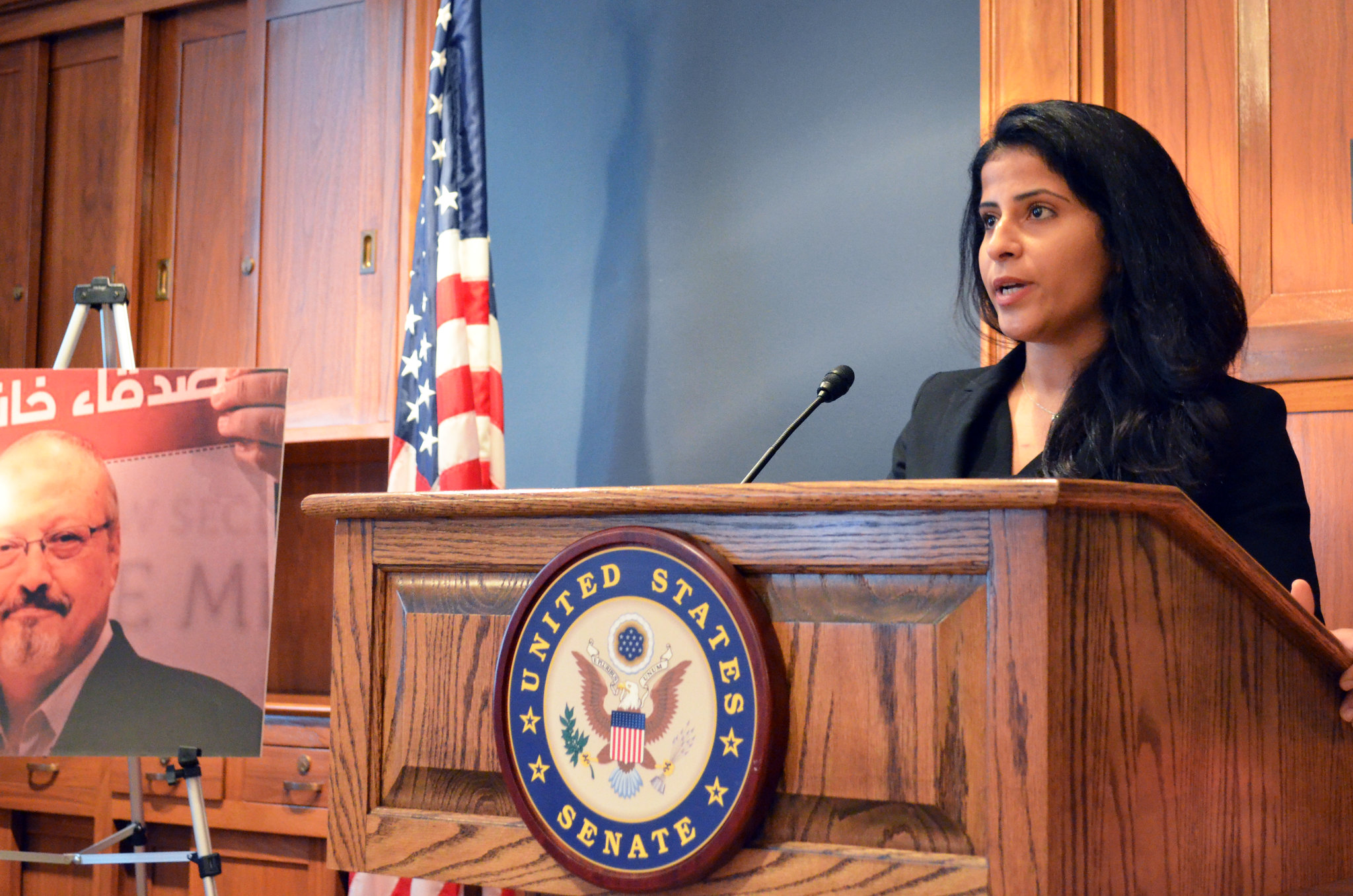
The Saudi agenda is based purely on the goals and aspirations of the royal family. It violates and marginalizes many groups such as Shia Muslims and women through the use of strong central authority and strict enforcement of arbitrary laws and regulations. The government condones and conducts the unfair treatment of activists and those who aim to change the discriminatory status quo in the powerful, oil-rich state.

Read More

Grappling With the Surge of Gender Violence During COVID-19

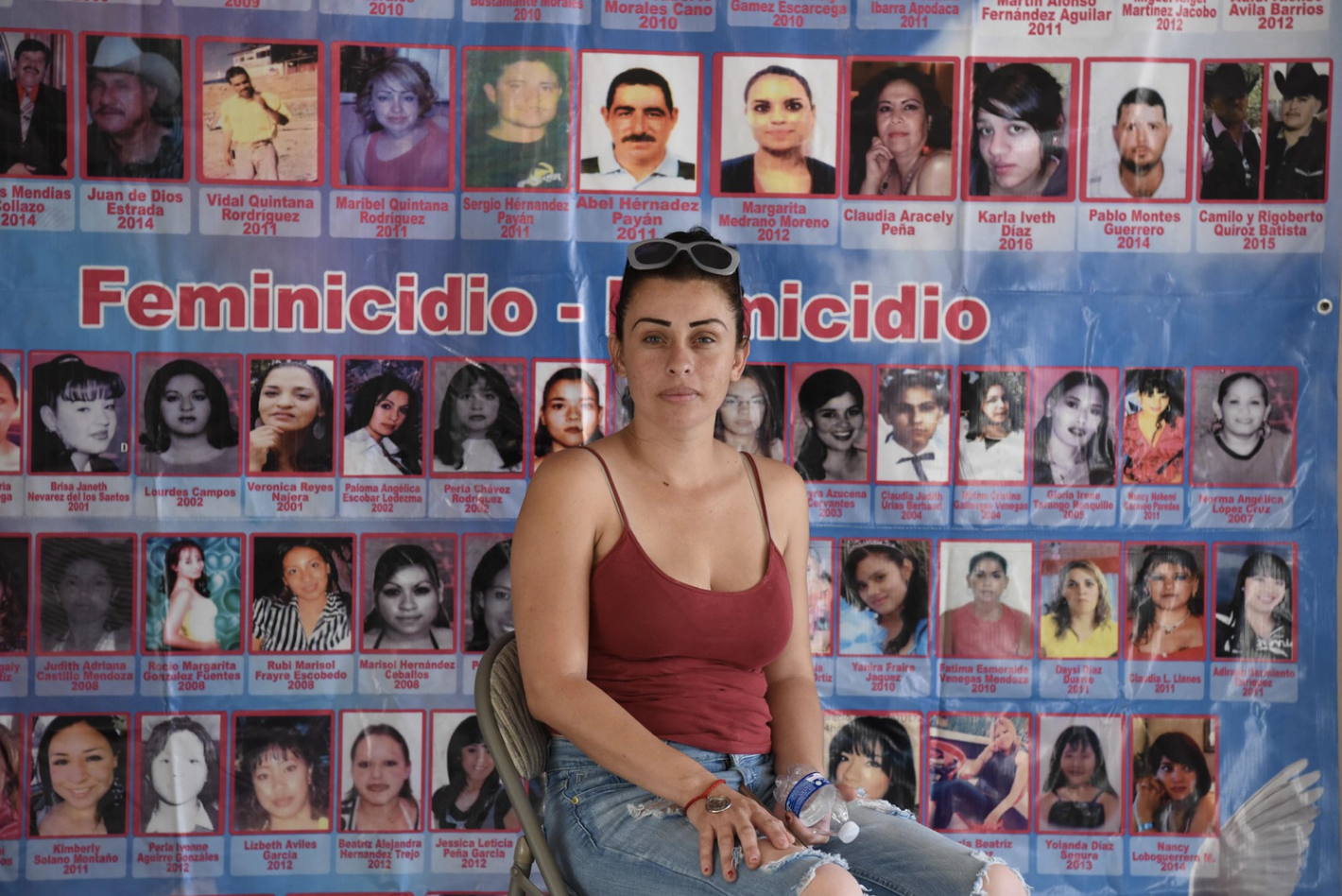
Activism in the realm of women’s rights and more specifically in prevention and treatment of violence towards women is an arena that must be tackled from multiple angles. Gendered violence is an age-old problem that cannot be solved in one fell swoop. Rather, one must recognize the severity and depth of the issue in order to properly act.

Read More

Alessandra Munduruku: A Symbol Hope for the Indigenous Peoples of Brazil

Above everything, the 2020 Robert F. Kennedy Human Rights prize has revealed the importance of Alessandra Korap Munduruku and other Indigenous peoples’ claims and has officially marked her place as a relevant figure for human rights activism. The award may be perceived as just another step closer to the recognition of Brazilian indigenous’ rights.

Read More

Human Rights Activism Week — Opening Statement

The need for action on Human Rights is at an all-time high—and our set of pieces selected for this week aspire to demonstrate the various ways that organizations and individuals have worked to push back against growing inequities present across the world. In the end, we hope that these articles will fuel a sense of empowerment, ultimately showing that bottoms-up activism remains alive and well, despite trying times.

Read More