
These technologies and discoveries have the potential to alter the trajectory of the climate crisis completely. That being said, there is much uncertainty regarding whether they can actually be implemented.
With every passing year, the effects of the climate crisis continue to impact lives and ecosystems globally. As technological innovation and scientific discoveries continue to advance, it appears that the international community has a wide range of options when it comes to climate solutions. From aquatic bacteria that consume greenhouse gases to geoengineering technologies, we are making significant progress in developing solutions that mitigate the effects of the climate crisis.
However, despite the merit in those discoveries and the progress they represent, different regions experience the effects of climate change differently; the issue must be addressed not just with blanket solutions, but with measures tailored to localized impacts and contexts. Given the political consensus and fiscal commitment required to implement these solutions, they are not realistic options for developing countries that lack the means to maintain them. On the other hand, those same nations have been making significant efforts to implement these measures to the best of their ability, and many have committed themselves to continuing down this path to battle climate change. These complexities are among the factors that make addressing climate change incredibly difficult.
The scientific community has made immense progress in developing technology to mitigate and adapt to the effects of climate change. Carbon dioxide removal (CDR) technologies like direct air capture and mineralization remove CO2 directly from the atmosphere. Geoengineering approaches such as stratospheric aerosol injection – releasing of particles into the stratosphere to block the Sun’s ultraviolet radiation – and marine cloud brightening, in which aerosols are sprayed into clouds above ocean water to make them more reflective, are being developed and debated. These approaches are meant to reengineer our planet to increase resilience in the face of global warming and reduce the intensity of climate change impacts. Just recently, in early October, scientists also found methane-eating microbes off the coast of Tuscany, Italy. It is theorized that, if their abilities can be redirected, these microbes could help slow climate change and remove methane from the atmosphere.
These technologies and discoveries have the potential to alter the trajectory of the climate crisis completely. That being said, there is much uncertainty regarding whether they can actually be implemented. In particular, geoengineering has been a point of debate for decades. The list of its potential long-term side effects runs long and includes even more climate and weather changes, such as rainfall disruption in monsoon regions, damage to the ozone layer, and warming rebound in the instance of geoengineering being halted. The implementation of geoengineering also has the potential to cause international conflict and become a political weapon. If one country were to implement any geoengineering measure, the potential side effects would occur on a global scale; the actions of one country would impact all. Some states may see this as a threat, and some may seek to use geoengineering against others by deploying countermeasures.
As with any proposed solution to climate change, debate and uncertainty are inevitable. However, when it comes to these discoveries and proposed measures, we may be wasting our time, which we have very little of. The latest science tells us that we have only three years left to take significant action against climate change. Debating the deployment of solar geoengineering or the viability of methane-eating microbes may not be productive, given the limited understanding we currently have of them and the significant work that needs to be done to address climate change. Furthermore, many of these proposed solutions, particularly geoengineering, could incur costs of billions to implement and maintain. It is not realistic to suggest that nations, in which issues such as poverty and war are already putting a significant strain on the population and land, should attempt to foot this bill.
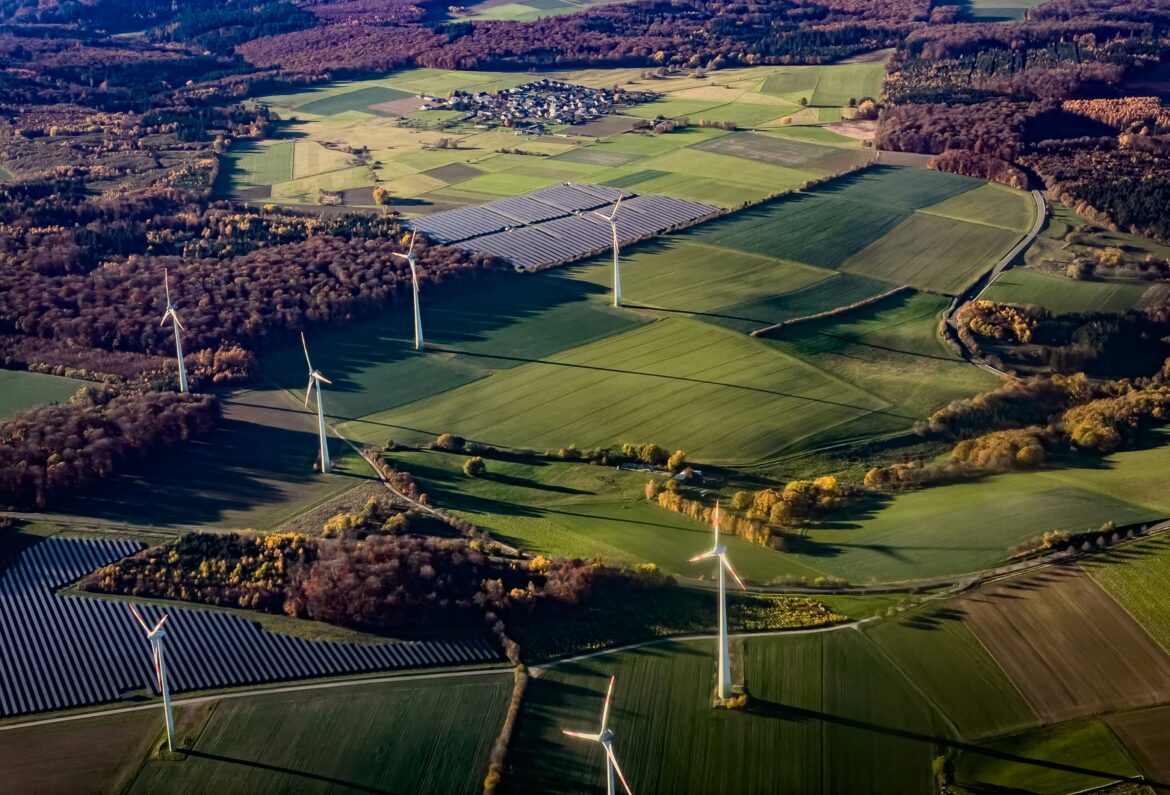
Far more feasible solutions to climate change already exist; we are just not implementing them at the necessary scale. To effectively slow climate change now, greenhouse gas emissions must be drastically reduced. No emit-then-capture; no changing the composition of our atmosphere. Climate change must be addressed at the source, full stop. We should be making use of and advancing the renewable energies that currently exist. Solar panels, wind turbines, and hydropower are all sound and reliable alternatives to the fossil fuels dominating across the globe. Because scientists have been harnessing renewable energy since the 19th century, the know-how and technology are far more feasible to deploy in developing countries.
We no longer have the luxury of time to travel the world in search of solutions or deploy innovations in places that cannot maintain them; our focus must shift to something more realistic. Research and policy need to be directed toward facilitating the mass implementation of technologies we already have, for the sake of all our futures.
Edited by Alex Ritch
This is an article written by a Staff Writer. Catalyst is a student-led platform that fosters engagement with global issues from a learning perspective. The opinions expressed above do not necessarily reflect the views of the publication.
