
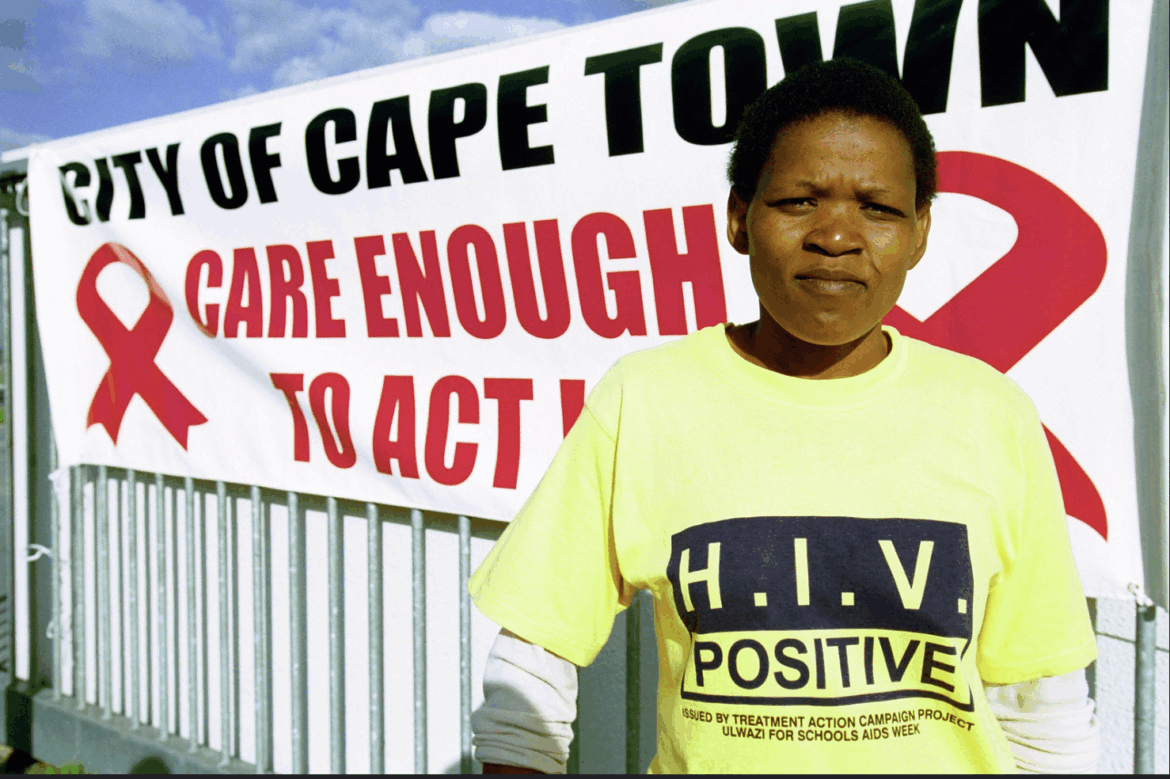
Over half of people living with human immunodeficiency viruses (HIV) currently reside in Eastern and Southern Africa. This group of viruses manifest as a chronic condition that attacks one’s immune system. Those living with HIV can lead long and healthy lives with treatment. Without it, the weakened immune system can become acquired immune deficiency syndrome (AIDS). The virus is passed from one person to another through bodily fluids such as blood, semen, vaginal fluids, and breast milk.
Despite how easily the disease can be passed if one is living with it and unaware, the world has been seeing a recent decline in deaths and infections. Between 2010 and 2023, the annual number of people acquiring HIV fell by 59% and the number of AIDS-related deaths decreased by 57%. This shift was strongly propelled by the United States, which funds efforts with about $301.6 million every year. United States aid counts for around 45% of total HIV funding in Eastern and Southern Africa. Some countries, such as Malawi, Zimbabwe, and Mozambique are reliant on the United States for upwards of 80% of their HIV prevention and treatment programs.
The epidemic is slowing down thanks to treatments supported by PEPFAR, a leading United States prevention program. These treatments include the distribution of pre-exposure prophylaxis (PrEP), a daily prevention medication for high-risk groups, condom distribution, and volunteer male medical circumcisions.
However, in a landmark move made in the early days of the Trump administration, all funding for these programs was paused for 90 days with a ‘stop-work order’. Nonprofits and treatment programs relying on these funds were left floundering without warning and no time to create a reaction plan. The administration has begun to lift the total pause and resume some spending on PEPFAR, but with significant budget cuts and restrictions. Additionally, the administration has yet to fully decide on any proposed budget cuts, leaving all of these essential services in limbo. The success story of HIV and AIDS prevention in Eastern and Southern Africa is now extremely vulnerable, as a shift in U.S. policy threatens to dismantle a decades-old system.
On June 4, Russell Vought, director of the U.S. office of Management and Budget, told a Congressional committee that Africa must shoulder more of the financial burden in fighting AIDS. Speaking specifically on HIV prevention programs, Vought said: “We believe that many of these nonprofits are not geared toward the viewpoints of the administration.”
To align with “the viewpoints of the administration”, the United States has limited PEPFAR to certain organizations which mainly serve to protect mother-to-child transmission, leading to the exclusion of extremely vulnerable groups such as sex workers, injecting drug users, and gay men. In just Nigeria, gay men have a 25% percent chance of contracting HIV in their lifetime. The rest of the services are being reevaluated for, “consistency with United States foreign policy,” according to a State Department spokesperson.
This means people taking PrEP and using other preventative devices were abruptly denied access to their medication. The over 6 million people taking PrEP in Africa in 2024 were instantaneously left even more exposed to a life-threatening disease. UNAIDS claims a permanent discontinuation of PEPFAR-supported prevention and treatment programs which could create up to 2,300 new HIV cases per day.
Additionally, budget cuts have created widespread fear and confusion about treatment availability. Already, HIV treatment centers have begun closing and over 100,000 healthcare workers in the region are facing contract terminations. Those left are running suboptimally due to lower staffing. 160 of just under 500 staff members at the Greater Rape Intervention Programme under the Networking HIV and AIDS Community of Southern Africa were fired in order to comply with budget cuts. This uncertainty inevitably leads to people spacing, sharing, and stockpiling medicines, which does not allow it to work to its full extent.
Finally, community outreach and community-led services have been sidelined due to funding concerns. The US-run DREAMS program, which targeted 2 million young women in the region, has already temporarily shut down in 10 countries. The initiative focused on HIV prevention, sexual and reproductive health rights, and education. Already, UNAIDS executive director Winnie Byanyima has warned that women and girls will be hit especially hard with these budget cuts. In Angola, four of the country’s 21 provinces have ceased all PEPFAR-related community outreach operations.
In an attempt to negotiate, Byanyima proposed a deal in which the US could market its own antiretroviral drugs to Africans. However, nothing has yet come of it.
Tedros Adhanom Ghebreyesus, chief of WHO, warned that disruption to HIV programmes “could undo 20 years of progress“. There is no indication that any other countries might try to fill in the gaping hole left by the United States. This change in policy displays the impact that distant countries can have on people’s realities, no matter the distance. Threatening millions of lives.
Edited by Minaal Mirza
Disclaimer: This is an article written by a Staff Writer. Catalyst is a student-led platform that fosters engagement with global issues from a learning perspective. The opinions expressed above do not necessarily reflect the views of the publication.
