
Under the second Trump administration, foreign aid efforts have been slashed, leaving many countries that once relied on assistance from the United States with gaps in funding for various development programs.
An executive order on January 20th, 2025, catalyzed these funding cuts, freezing all new obligations and disbursements for 90 days to conduct a review to determine whether the funding aligns with “American values.” By March 10th, the six week review of the United States Agency for International Development (USAID) was conducted, and 83% of their programs were eliminated. As of June 3rd, the administration sent a request to Congress to reduce funding by around $9.3 billion from 2024, most of which was used for foreign assistance programs by the State Department or USAID. Some of the funds were also allocated to global multilateral health organizations such as the World Health Organization (WHO). On September 18th, following these developments, the America First Global Health Strategy was introduced, aimed at “making America safer, stronger, and more prosperous.”
Clearly aimed at centering America, the America First Global Health Strategy pivots away from multilateral efforts and foreign aid, and brings American economic interests to the forefront. It states that it will make “America more prosperous by promoting American health innovation around the world,” rather than focusing on responding to humanitarian emergencies and strengthening development efforts globally, as USAID did. The wording alone reflects a very clear shift in priorities for this program and leaves massive gaps in funding for the countries that received assistance from US agencies.
U.S. based foreign aid, primarily distributed through USAID, plays a critical role in supporting developing countries through programs centered on food security, global health, gender-based issues, migration, and illicit drug prevention. Operating on a budget of less than one percent of the U.S. federal budget, USAID nonetheless contributes to strengthening institutions and stabilizing societies by addressing the most urgent structural challenges these countries face. Foreign aid, therefore, is far from an act of charity; it functions as a long-term investment in institutional capacity, public health, and economic resilience.
Beyond its international impact, foreign aid also serves U.S. domestic interests by directly and indirectly reinforcing national security. Food and health assistance reduce the likelihood of humanitarian crises, political instability, and mass displacement, all of which can fuel conflict, extremism, and regional insecurity. By strengthening foreign institutions before crises escalate, USAID helps create conditions for long-term stability that ultimately protect U.S. strategic interests. The Trump administration’s move to restructure foreign aid around an “America First” agenda fails to recognize how deeply U.S. security and global development are intertwined.
Jane Sunday is just one of the 300,000 refugees in Kakuma, Kenya, unable to receive adequate food to sustain her body. Former Head of Global Health at USAID, Atul Gawande, says that people escaping South Sudan arrive and are provided a safe haven by Kenya and USAID to “transition refugees out of dependency.” However, after funding cuts, USAID is only able to provide one meal a day. Malnutrition for baby Jane Sunday has led her to acquire a severe case of edema, in which the legs swell and the skin peels, deteriorating the skin barrier and leaving Jane vulnerable to infections. Without adequate protein and calories to survive, children are unable to fight disease.
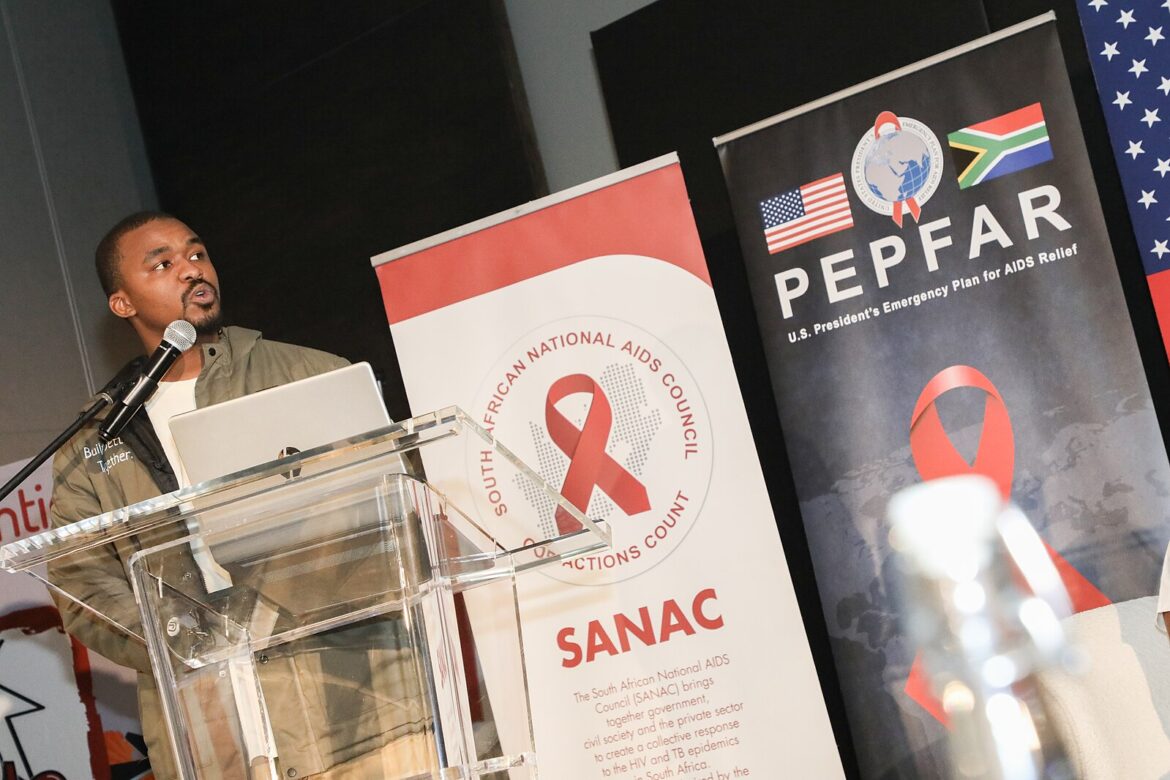
Cuts in aid for the prevention of HIV/AIDS have already had significant impacts on communities around the world. President’s Emergency Plan for AIDS Relief (PEPFAR), a plan that was established by President George Bush in 2003, has been credited with saving 26 million lives and preventing 7.6 million babies from being born with HIV infection. The 90 day funding freeze greatly affected PEPFAR’s functioning, taking computer systems offline and resulting in job losses due to an inability to pay wages. USAID was one of the biggest implementers of PEPFAR, meaning that without USAID staff, PEPFAR’s delivery is significantly reduced. Potential funding cuts to the Center for Disease Control (CDC), as PEPFAR’s second largest implementation agency, will also mean reduced functionality.
Under the new America First Global Health Strategy, PEPFAR will continue to receive 100% of their funding for commodities. This includes medications, diagnostics, and antiretrovirals, as well as funding for frontline workers just through the 2026 fiscal year, after which funding will be reduced. Funding for any other activities will be significantly reduced, but agreements with countries receiving assistance from PEPFAR will be negotiated to eventually transition these countries to self-reliance. Despite the agreed upon terms, UNAIDS reports that these changes have already put millions of lives at risk and resulted in the loss of many resources in Kenya, Malawi, South Africa, Mozambique, Zimbabwe, Angola, and Eswatini. Thousands of HIV health workers and community treatment services have been suspended; anything deemed not “life-saving” has been halted, preventing some from receiving the care they need. These changes have forced people to turn to government services meant for the general population, rather than the tailored, more personalized community-led services they were previously receiving.
While UNAIDS, UNICEF, and WHO have attempted to bridge these gaps, the devastating consequences of these sudden funding cuts on communities around the world have already been felt. As the largest single funder of HIV prevention across countries in Eastern and Southern Africa, contributing around $301 million, cuts in U.S. funding and PEPFAR took a sizable toll on treatment, especially in high burden countries, which were almost entirely reliant on PEPFAR for prevention programs.
UNAIDS teams are actively continuing to monitor and collect data on responses in various regions, collaborating with community partners to understand how best to support these areas with short and long term mitigation measures. They are also looking to collaborate with regional co-sponsors to support potential solutions for these regions and develop adequate humanitarian aid.
Despite these efforts, the impacts of the America First Health Strategy are impossible to ignore. Moving forward, filling these gaps will require a coordinated global response that extends beyond emergency stopgaps. Donor countries, multilateral institutions, and regional health bodies will need to rapidly mobilize new funding streams, reinforce community-led services, and invest in long-term health system strengthening to prevent further backsliding. National governments in affected countries will also need support to build the capacity required to take on responsibilities abruptly shifted onto them, rather than being forced into premature self-reliance. Without sustained international commitment, the disruptions triggered by the America First Global Health Strategy will continue to undermine decades of progress in global health, weaken the stability of already fragile systems, and place millions of vulnerable people at even greater risk.
Edited by Yasmine Tujjar
This is an article written by a Staff Writer. Catalyst is a student-led platform that fosters engagement with global issues from a learning perspective. The opinions expressed above do not necessarily reflect the views of the publication.

Suhani is in her fourth and final year at McGill University as an International Development student, with minors in Environmental Studies and Psychology. She is originally from New York City and is especially passionate about environmental issues and policy making that can have critical impacts on global communities.