Many have denounced the counterproductive nature of American foreign policy towards Cuba and its people. In fact, the policy remains one of the most nonsensical and severe policies of the United States, one passed on through numerous administrations out of … Continue reading
Category: The Americas
The Social Implications of Illiteracy in the United States
When one thinks of a country struggling with literacy rates, they likely would not first consider the United States. Yet, a recent study conducted by the United States Department of Education found that 54% of U.S. adults aged 16-74 lacked proficiency in literacy.
The reality of women’s rights in Latin America: Guatemala and Law 5272
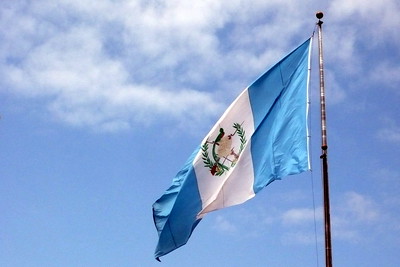
On March 8th, Guatemala’s congress passed the Life and Family Protection Law (Law 5272) with an overwhelming majority of 101 to 8 with 51 not present. While the bill still needs to be signed by the president, it would impose some of the harshest punishment for abortion among any Latin American country.
The Discrepancies of Police Responses between Indigenous activists and the Trucker Convoys
However, it has been widely voiced that the delayed responses from federal and local governments may have reflected an inherent bias toward white protesters. Many comparisons have been made between the treatment of truckers versus indigenous protesters on social media.
Canada’s Selective Sympathy for Refugees
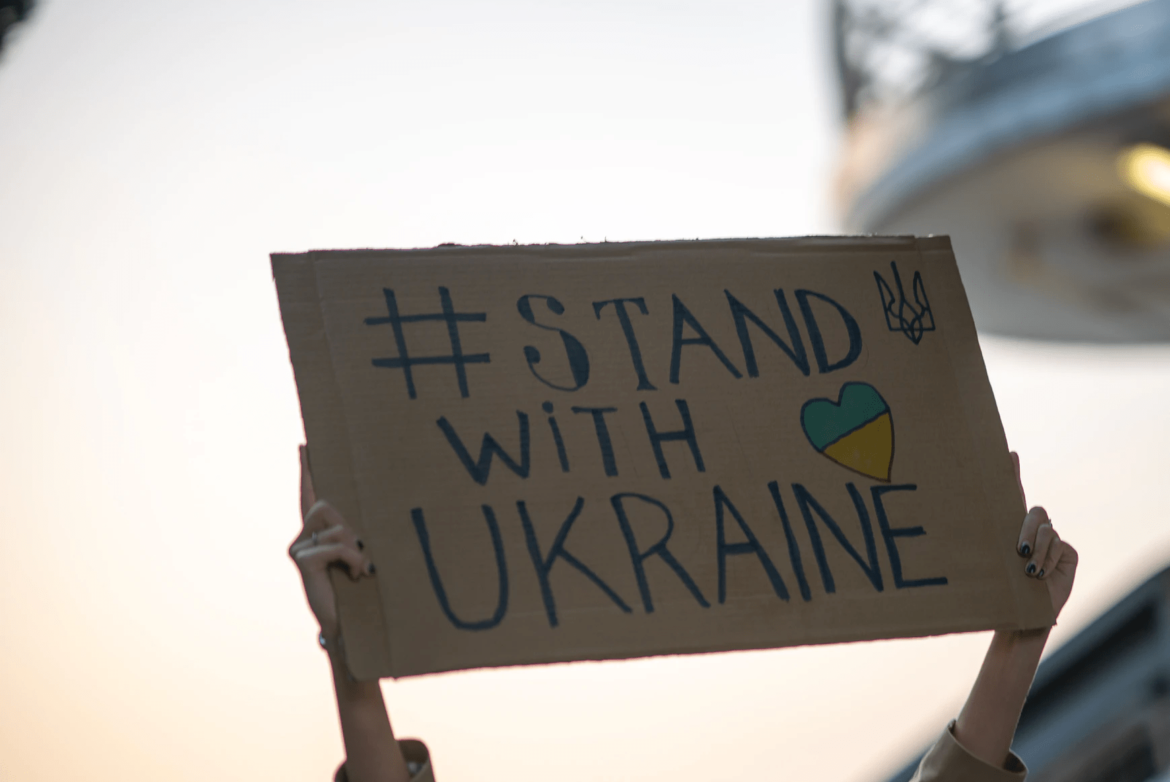
The Canadian government has undoubtedly shown much more support through their immigration policies to Ukraine than they have shown to ‘third world’ refugees.
The Axis of Evil: America’s Interference with “Rogue States”
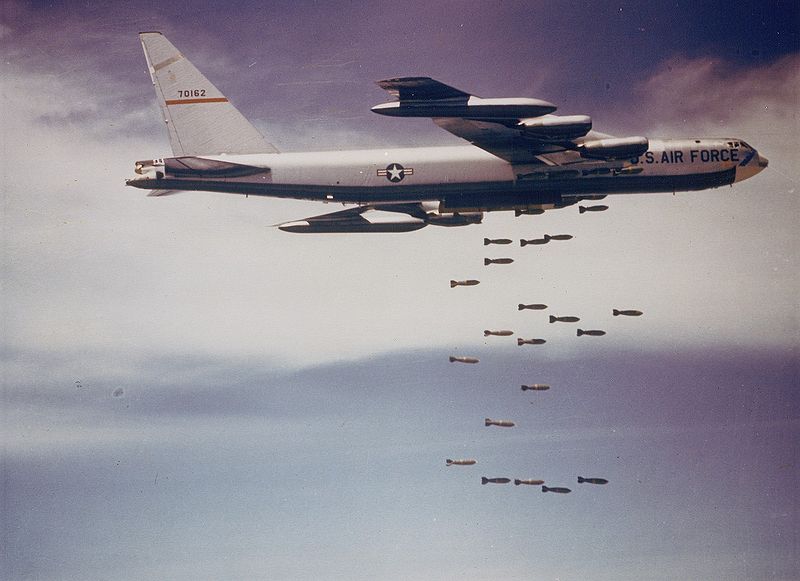
As shown by the history of the Cold War, the threat of mutually assured destruction is the most effective way to deter the United States from forcing its influence upon a sovereign nation. If any other country were in their shoes, they would be foolish not to do the same. Not only is the United States utterly ill-suited to perform the role of world police, they are perhaps the most powerful rogue state to ever exist.
Wh you should care about McGirt vs. Oklahoma
The decision made in McGirt v. Oklahoma means that a large portion of land in eastern Oklahoma, 43% to be exact, belongs to the numerous native nations in the area and therefore the state does not hold any jurisdiction to prosecute crimes in the area. Many celebrated the decision as historic in the sense that it not only affirmed the boundaries of the reservation but also confirmed the sovereignty of tribal governments and their inherent right to governance. Others point to the massive strain this decision has placed on tribal and smaller federal courts who remain largely unequipped to handle the influx of violent crime.
Canada and the US: One in the Same but Inherently Different
The two neighbours, although possessing eminently similar characteristics, find themselves in considerably different positions, with the underlying question being what inherently sets them apart.
Shielding Badges: The Genocide of Black Children and Youth in Brazil
The preventable death of a particular group of children and the silence of society and the state's political institutions is infuriating.
The Organizational Hypocrisy of Canadian Arms Dealership
Canada continues offering export permits to the Kingdom of Saudi Arabia (KSA), despite the nation’s extensively documented domestic human rights violations in the ongoing conflict in Yemen; a conflict that remains the largest humanitarian crisis in the world.