
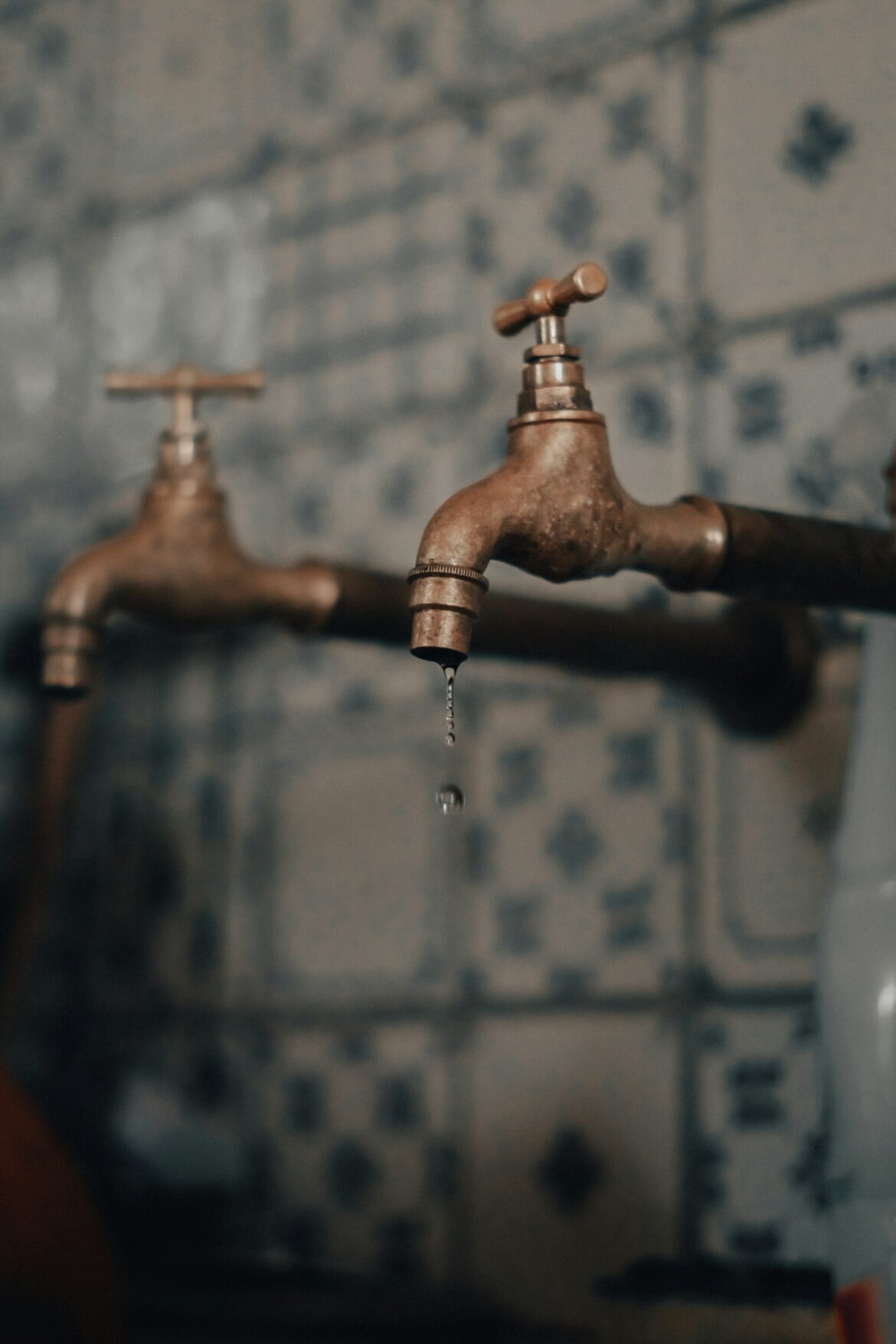
India’s population accounts for around 18% of the global population, but is barely able to sustain their existing freshwater needs as they continue to grow. Extreme heat, rapid groundwater depletion, and continuous development are among the many factors that contribute to the inability to provide accessible freshwater for everyone. The effects of climate change exacerbates the water problem and the impact it has on female autonomy throughout various parts of the country. Limited access to water means long journeys in sweltering heat, taking time away from other daily activities and intensifying existing gender disparities in society. Efforts to curb this problem have been made, but are often under funded or managed inefficiently, rendering the projects insufficient to break down the systemic barriers that force women to bear a disproportionate share of the country’s water insecurity.
The devastating consequences of climate change are felt globally, and India is not an exception. With consistently rising temperatures due to climate change, the effects are not only felt in big cities equipped with efficient reporting, but smaller villages and towns surrounding. The country has experienced countless heat waves and between 1970 to 2019, 17,000 deaths due to unbearable temperatures. Even this number has been widely misreported in various overcrowded hospitals lacking adequate resources, due to misclassification of deaths and a neglect for adhering to national guidelines for reporting. With 50% of the country employed in agriculture, many are at risk of heat-related health issues. Subsequently, air conditioner ownership and use has increased by 22% between 2019 and 2022 to endure the unbearable heat. With a rapidly growing economy, development is inevitable, however it will also exacerbate the climate issue, leaving poorer people to bear the brunt of climate change.
Mismanagement and misuse of groundwater has been a major factor in the depletion of India’s freshwater sources. Groundwater scarcity has intensified in India due to decades of unregulated pumping, usually used for irrigation. Nationwide, these practices have consumed nearly 90% of groundwater, making small farmers particularly vulnerable as deeper wells become more expensive. Climate change only exacerbates this crisis as erratic monsoons drive unpredictable rainfall and droughts, reducing aquifer recharge and pushing communities to pump out more groundwater to meet basic hydration needs with rising temperatures.
A University of Michigan led study explains that farmers compensate for heat-driven crop stress by intensifying groundwater irrigation, which could potentially triple depletion rates by 2080 unless significant action is taken. Even with heavy rains, rapid urbanization means concrete inhibits natural filtration making it harder to refill aquifers. Reformative policy making and action must be taken, but complexities involving the intersection between rapid development and a large portion of the population still living in systemically underserved communities that will bear the brunt of this development, is crucial to acknowledge when addressing the issue.
Water collection therefore becomes a gendered burden. Women in these societies are expected to provide for their families and are faced with the intersection of gender and climate change. Droughts, longer heatwaves, and flooding as results of climate change leave these women especially vulnerable. Making longer journeys in search of freshwater for drinking and cooking means heightened exposure to extreme temperatures resulting in health conditions. One day’s worth of water can take up to six trips and total an average of about 10 miles in scorching heat with heavy jugs of water carried on their heads or in hand. This weighted pressure causes back, shoulder, neck, and feet problems, on top of the heat exhaustion they already endure. Sanitation systems in these underserved areas also means more vulnerability to contaminated water and a lack of clean water for those already sick. Longer treks also means a higher risk of encountering sexual violence and harassment in certain isolated, dangerous areas.
The time and effort put into water collection also takes a toll on the ability of Indian women to be independent. Water collection is only one of their plethora of responsibilities within and around the home. Childcare, cooking, and agricultural work falls on the woman, leaving them with less time for personal development. Young girls have less time for school work and may even drop out of school to make more time to provide for their families and to make the longer journeys for water. Spending these hours collecting water takes time away from education, paid work, and skill building which deepens existing gender inequalities, keeping women in a cycle of being unable to provide for themselves in cases of emergency and forces them to remain in violent or abusive relationships. Even when they are able to enter the workforce, hiring discrimination against women in some areas means they are underpaid or work dangerous jobs. In times of economic hardship, the man of the family, often the breadwinner, moves elsewhere to make enough money to support the family, leaving the woman to earn whatever they can in the meantime and care for the household. Hard labor jobs such as construction and mining can compromise their health causing more issues and medical expenses in the long run.
In a BBC interview with Sunita Bhurbade, a woman from a village outside Mumbai, Bhurbade presents the nuanced and complex issue with a powerful quote: “If I go after water, I have to sacrifice my livelihood. If I try to earn a wage, my family stays thirsty.”
Implementing processes to ensure the physical and economic safety for these women has its roadblocks. The leaders of these villages are often men, who lack an understanding of the challenges faced by the women of their communities. Climate based solutions can be difficult to enact due to regard for traditional methods of doing things. But as the world changes and economies develop, people in rural areas of India and other parts of the world rarely experience the fruits of this development, but must bear the brunt of the climate issues that come with it.
The Jal Jeevan mission is one example of a step taken to provide clean water for the villages throughout India. By performing various sanitation tests on water sources, they were able to identify problems, and address them with the necessary measures. Since its inception in 2019, the mission has gone from 18% of rural households in India having tap water connection to around 80%. The Jal Bahinis also play a major role in this mission. In Chhattisgarh, a state in India, five women per village were appointed as Jal Bahini. They act as leaders of water governance and make active efforts to involve the community. Sustainability of the Jal Jeevan Project remains to be observed. Maintenance of the pipes and functions of the taps in people’s houses is crucial to avoid a lapse into reliance on unclean water sources. Funding and coordination with Village Water and Sanitation Committees (VWSCs) has to be followed through effectively so that the funds that have gone into these projects are put to use and the processes sustained.
Throughout India, gender based inequality is deeply ingrained in bureaucracy and daily society. Women face systemic discrimination that has made its way into every aspect of life, from workplaces to home life. Water scarcity is only one of many ways women remain marginalized in these communities and face persistent obstacles in their socio-economic progress. Advocacy and funding toward climate based solutions for problems that are prevalent across the country are crucial for ensuring that economic development remains sustainable. Addressing India’s water crisis through a gendered lens isn’t just good development policy—it’s a human rights imperative. Until women have equitable access to safe, nearby water, the promise of dignity, health, and opportunity will remain out of reach for millions.
Edited by Natasha Bhimji
Disclaimer: This is an article written by a Staff Writer. Catalyst is a student-led platform that fosters engagement with global issues from a learning perspective. The opinions expressed above do not necessarily reflect the views of the publication.

Suhani is in her fourth and final year at McGill University as an International Development student, with minors in Environmental Studies and Psychology. She is originally from New York City and is especially passionate about environmental issues and policy making that can have critical impacts on global communities.