
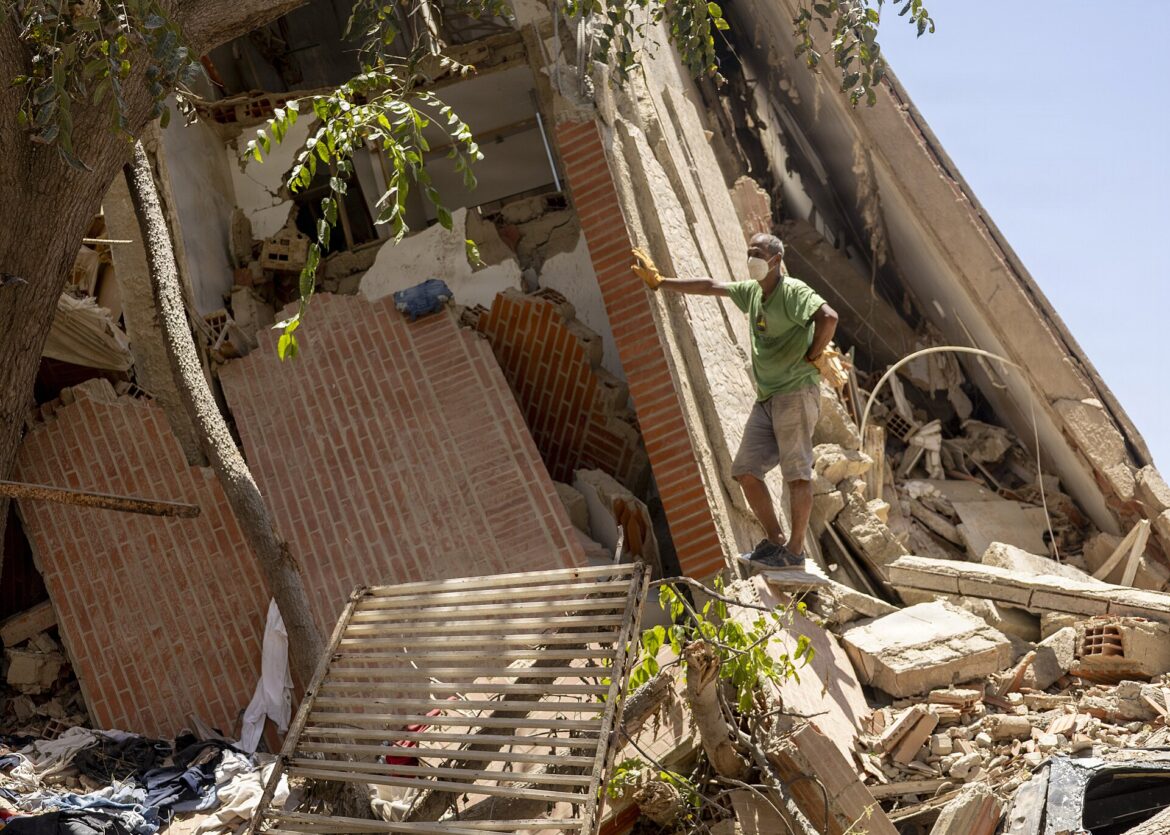
On June 24, 2026, two deadly earthquakes struck Venezuela, ravaging the country’s capital and northern region of La Guaira. The disaster left approximately 3,500 dead, over 16,000 injured, and 18,000 homeless. The twin quakes measured magnitudes of 7.2 and 7.5, striking within 39 seconds of each other. Generated at shallow depths of just 22km and 10km, the earthquakes’ proximity to the surface triggered ruptures and violent shaking, resulting in devastating destruction. Venezuela’s President, Delcy Rodriguez, reports that there have been more than 862 aftershocks since the beginning of the disaster.
The UN estimates the physical damage at $37 billion, with $24 billion of that attributable to damaged buildings, including homes, businesses, schools, hospitals, and public facilities. This calculation does not reflect the far larger total economic impact, which includes losses from service disruptions, halted national economic activity, and the cost of emergency response.
More than a decade of economic crisis and deteriorating living standards in Venezuela left the country ill-prepared to adequately respond to the emergency. With many hospitals damaged or destroyed, communities resort to treating the injured in makeshift clinics. Diesel shortages pose an additional obstacle to rescue operations. Without an adequate fuel supply, rescue teams are unable to fully utilize the heavy machinery needed to clear debris and search the rubble. Instead, rescue crews rely on backhoes to dig through the wreckage of collapsed high-rises. These delays are particularly significant, with each passing day reducing the chance of finding missing survivors. To aid what has been a largely inefficient recovery effort, more than 2,200 international rescue workers arrived in Venezuela by June 27, travelling from countries including Britain, the United States, the Netherlands, Mexico, and Switzerland. The United States further pledged $150 million in aid, alongside the deployment of a warship and transport planes to support the effort.
Administration Under Scrutiny
The challenges confronting the recovery effort not only exacerbated the humanitarian crisis but also reshaped Venezuela’s political landscape, placing the current leadership under greater questioning. President Rodriguez’s interim government, installed by President Trump’s administration, faced pervasive criticism in the wake of the disaster. Residents widely condemn Rodriguez for her slow response and lack of coordination in addressing the crisis. Retired Venezuelan Army General Antonio Rivero argues that Rodriguez had ample opportunity to immediately mobilize armed forces to deploy generators, portable lighting, and water purification systems, but failed to do so. According to Rivero, this inaction reflects the reality that national security forces are trained not to assist and serve the population, but to treat it as a potential threat against the government’s authoritarian rule.
Additionally, Rodriguez’s administration was met with skepticism regarding reported death counts. Opposition politicians, including Maria Corina Machado, accuse the government of understating the true scale of destruction and loss of life. Opponents argue that the government’s withholding of information is intended to conceal just how ineffective the rescue response has been.
Equally troubling, critics claim that the crisis conveniently allowed Rodriguez to delay Venezuela’s transition to democracy, shifting national focus towards earthquake recovery rather than the mounting pressure for new elections. President Rodriguez’s 180-day interim mandate expired on July 3, leaving her political future uncertain.
From Rescue to Recovery
After more than 12 days of searching the rubble, international rescue teams are preparing to depart, and local authorities are shifting focus to reconstruction. Media coverage pivoted from featuring heroic rescue stories to reconstruction efforts under the “Venezuela Reborn” recovery program. As the focus moved away from retrieving victims to finding shelter for the displaced, many Venezuelans report feeling completely alone in the horrific task of searching for their deceased loved ones. Locals are forced to use rudimentary tools or their bare hands to dig through the wreckage. Noel Marquez is among many other residents still searching for their missing relatives. Despite his injuries and reliance on crutches, he continued to search the rubble for his deceased family members, stating, “My feet are badly injured, cracked open. I’m still here. I’m still searching […] We don’t even have tears anymore. We don’t cry. There’s just no time.”
This humanitarian catastrophe reflects wider political failures beyond physical destruction. The devastation wrought by Venezuela’s twin earthquakes tested more than the country’s infrastructure. It tested the legitimacy of President Rodriguez’s U.S-backed government. As the disaster stalled the very political transition Venezuelans were demanding, it is now undeniably clear that effective recovery involves not only physical rebuilding but also the removal of an administration many view as having already failed them. Like any sovereign people, Venezuelans deserve a future free from disaster — both natural and authoritarian.
Edited by Lou Didelot
This is an article written by a Staff Writer. Catalyst is a student-led platform that fosters engagement with global issues from a learning perspective. The opinions expressed above do not necessarily reflect the views of the publication.

Natalia Sodhi is in her third year at McGill University, currently pursuing an Honours B.A. in International Development Studies with a minor in Urban Geography. She serves as a staff writer for Catalyst and is particularly interested in the global refugee crisis, international migration flows, and sustainable urban development.